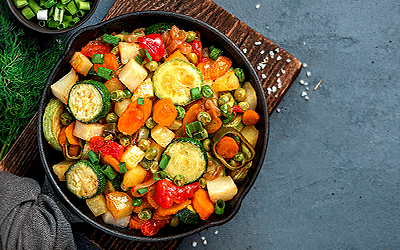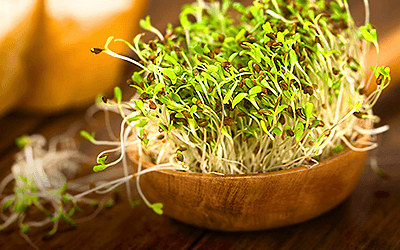

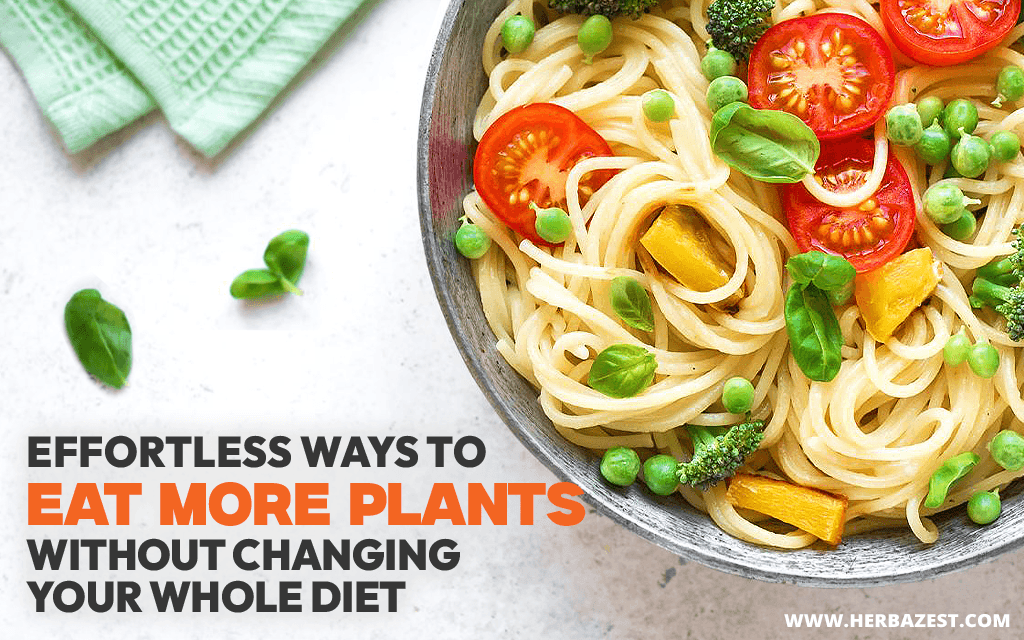
Wanting to eat more plants doesn't mean you have to convert to a vegan diet or cut out the foods you enjoy. For many people, it's simply about making healthier, more balanced choices: adding vegetables to familiar meals, trying new grains, or swapping in legumes now and then. And research supports those shifts, with studies showing that increasing plant-based foods, even gradually, can support heart health, digestion, and overall well-being.1 With a few simple changes, it's easy to bring more plants into your routine without having to rethink everything you eat.
Add Plants to Breakfast
Breakfast offers easy opportunities to sneak in more plants without changing your routine. If you enjoy waffles or pancakes, try folding roasted sweet potato into the batter. Topping them with blueberries, sliced banana, or a spoonful of chia seeds adds color and key nutrients in seconds.
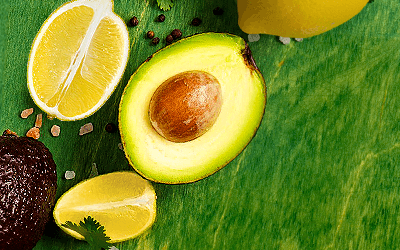
For savory eaters, scrambled eggs can be upgraded by adding spinach and cherry tomatoes. Or try baked eggs in avocado for a more filling, nutrient-dense version of your usual fried eggs. A ready-made chickpea salad is another time-saving way to eat more plants. Spread it on toast or tuck it into a sandwich for a protein-rich start. If you prefer something warm, spinach tofu pita pockets are quick to reheat and full of plant-based goodness.
Upgrade Your Treats
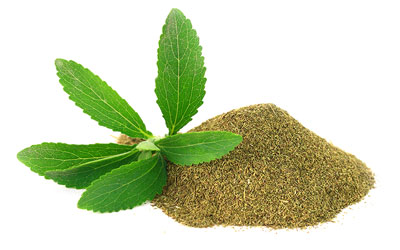
Snacks and desserts can be an easy and enjoyable way to eat more plants. Many sweet treats can be taken to another level nutritionally by adding grains, seeds, and legumes, especially when paired with natural sweeteners like stevia.2
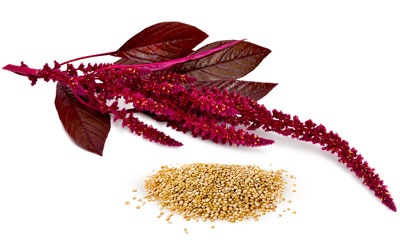
Leftover lentils, chickpeas, or beans can be blended into cookie doughs, brownies, and other treats, like this vegan chocolate chickpea bark. Puffed or popped quinoa, amaranth, and kaniwa are excellent for adding crunch and nutrients to snacks and desserts, like chocolate peanut butter date cups, nutty date bites with puffed quinoa, or kaniwa pop tahini crispy treats. Even cold treats can be plant-rich, such as avocado mint ice cream or chocolate chickpea ice cream.
Elevate Meals with Sauces and Dips
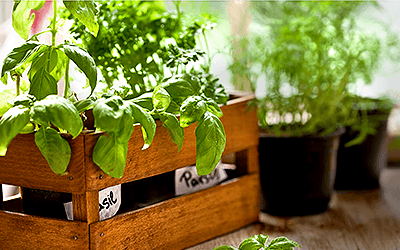
Sauces and dips are a flavorful and practical way to work more plants into everyday meals. Instead of serving plain grilled meat or fish, try spooning over a lemon caper sauce or fresh chimichurri. These quick sauces, made with herbs, nuts, seeds, or other vegetables, add flavor and nutrients in one step.3
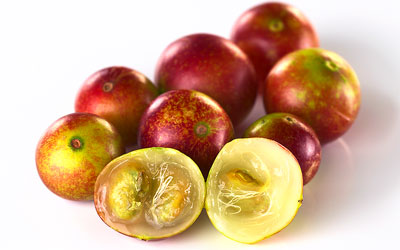
Dips are another flexible option that can double as spreads for sandwiches or wraps and wholesome snacks. Try roasted red pepper feta dip, green pea and mint dip, or beet hummus for bold colors and fresh taste. Creamy options like baba ganoush and roasted garlic cannellini bean dip offer comfort and richness without relying on dairy. Even simply mashing up ripe avocado on a slice of bread, instead of mayo, contributes to your daily green intake. Salads can seem more appetizing when drizzled with delicious homemade dressings like lime cashew dressing or camu camu peanut salad dressing.
Blend in More Plants with Smarter Smoothies
Smoothies are an efficient and flexible way to increase your plant intake. Since fruits naturally sweeten and mask the flavor of vegetables, it's easy to blend in greens, herbs, or even cooked vegetables without changing the flavor profile. When built with fiber, healthy fats, and protein, smoothies can be filling enough to replace a meal.4
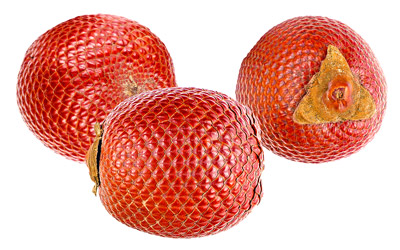
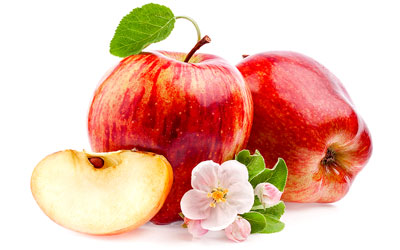
Spinach or avocado pair well with citrus and ginger in blends like an antioxidant camu camu smoothie or creamy avocado smoothie. Tropical fruits make vibrant blends like the cardamom papaya smoothie or camu camu pineapple smoothie, both rich in vitamin C. Root vegetables also work surprisingly well, too, in this lucuma carrot apple smoothie and aguaje berry beet smoothie. For something indulgent yet nourishing, try a peanut butter banana smoothie or a chocolate sweet potato smoothie bowl.
Choose Better Breads and Crackers
Swapping basic white breads for more nutrient-dense alternatives is an easy way to enjoy more plants. Look for baked goods that include vegetables, whole grains, seeds, or legumes to turn sandwiches and snacks into more nourishing options.
Sandwiches made with amaranth carrot flatbread or chia carrot buns offer nutrients and color in every bite. Sweet potato arepas and tomato zucchini focaccia are great for pairing with spreads and favorite toppings. For something hearty, lentil bread with arracacha flour or walnut cranberry bread with lupin flour can round out any plate. Snack lovers can enjoy veggie-rich crackers, like sun-dried tomato sacha inchi crackers, which pair beautifully with colorful dips.
Eating more plants doesn't have to be complicated. By making small, sustainable adjustments, you can naturally increase your intake of plant-based foods without feeling restricted. These effortless changes not only boost your nutrition but also introduce exciting new flavors and textures to your meals. Over time, these habits can lead to better health and a more diverse, enjoyable diet, without requiring a complete lifestyle shift.
Sources
- Food and Nutrition Sciences, Effects of High Plant Protein and High Soluble Fiber Beverages on Satiety, Appetite Control and Subsequent Food Intake in Healthy Men, 2018
- International Journal of Food Sciences and Nutrition, Food texture influences on satiety: systematic review and meta analyses, 2020
- Nutrients, Benefits of Fiber Enriched Foods on Satiety and Parameters of Human Well Being in Adults with and Without Cardiometabolic Risk | Prebiotic Potential of Dietary Beans and Pulses and Their Resistant Starch
Footnotes:
- International Journal of Epidemiology. (2014). Fruit and vegetable consumption and all-cause, cardiovascular, and cancer mortality. Retrieved September 2, 2025, from https://pubmed.ncbi.nlm.nih.gov/24687909/
- Critical Reviews in Food Science and Nutrition. (2025). Nutritional attributes, health benefits, consumer perceptions and sustainability impacts of whole pulses and pulse flour-based ingredients. Retrieved September 2, 2025, from https://www.tandfonline.com/doi/full/10.1080/10408398.2025.2538544?src=
- Journal of Functional Foods. (2025). Herbs and spices as functional food ingredients: A comprehensive review of their therapeutic properties, antioxidant and antimicrobial activities, and applications in food preservation. Retrieved September 2, 2025, from https://www.sciencedirect.com/science/article/pii/S1756464625002245
- Nutrients.(2019). The effects of whey and soy liquid breakfast on appetite response, energy metabolism, and subsequent energy intake. Retrieved September 2, 2025, from https://pubmed.ncbi.nlm.nih.gov/30822749/