
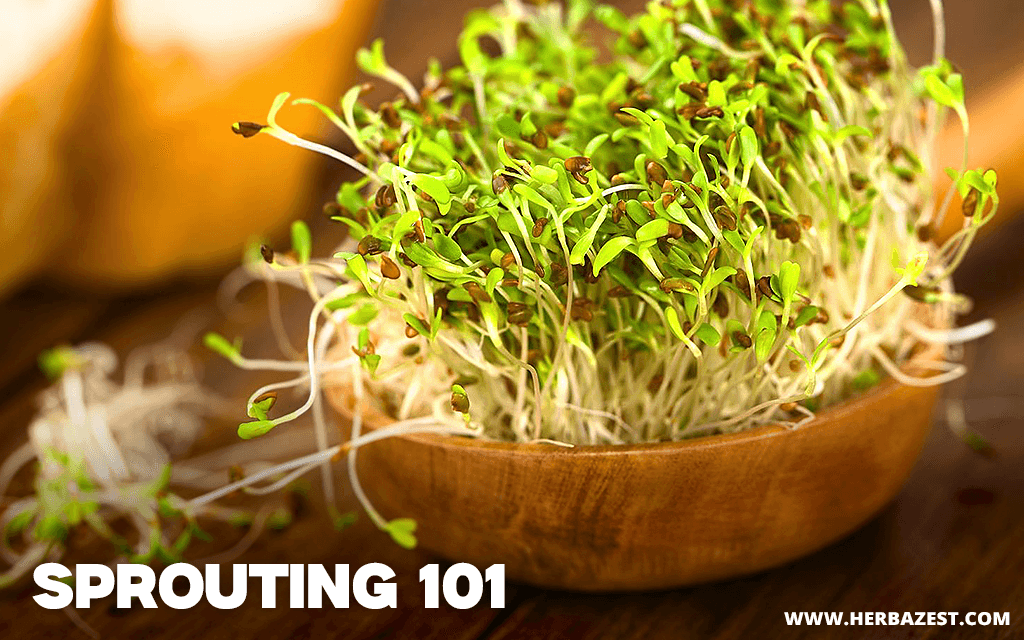
Sprouting is a time-honored technique that has surged in popularity among health-conscious people, and for good reason. This ancient practice not only increases vitamin and mineral content but also makes food easier to digest and absorb. Best of all, sprouting requires no special equipment and can be done in any kitchen. With just water, patience, and a few minutes of daily care, you can create a fresh, living food source that supports your overall well-being.
What Is Sprouting?
At the heart of sprouting is germination, a biological process that begins when seeds are soaked in water. This triggers enzymatic activity and metabolic changes within the seed, allowing it to transition from dormant storage into an active growth phase.
Scientific studies have shown that sprouting offers numerous health benefits, including the following:1,2,3,4,5,6
Enhanced Nutrient Content. When seeds sprout, their vitamin and mineral levels increase. Studies show higher amounts of vitamin C, B-complex vitamins, and antioxidants in sprouted foods compared to unsprouted ones.
Improved Digestibility. Sprouting activates enzymes such as amylase and protease, which help break down starches and proteins. This enzymatic activity results in food that is not only easier to digest but also less likely to cause bloating or discomfort.
Reduced Antinutrients. Many raw seeds and legumes contain compounds like phytic acid and tannins, which interfere with mineral absorption. Sprouting can reduce these antinutrients significantly, improving the bioavailability of minerals such as iron, zinc, and calcium.
Higher Protein Quality. The amino acid profile of legumes improves during sprouting, enhancing the bioavailability of protein. This is especially beneficial for those relying on plant-based sources to support muscle repair, immune function, and overall energy.
Gut-Friendly Fibers. Some sprouted legumes and grains contain higher levels of soluble fiber and oligosaccharides, which may act as prebiotics, feeding the beneficial bacteria in the gut. A healthier gut microbiome supports better digestion, stronger immunity, and improved nutrient absorption.
Unique Plant Compounds. Cruciferous sprouts are particularly rich in sulforaphane, a powerful antioxidant known for its anti-inflammatory and detoxifying properties. Research shows that it may help protect cells from DNA damage and support liver detoxification pathways.
Getting Started: How to Sprout at Home
Sprouting at home is simple, affordable, and requires only a few basic supplies. Here's a step-by-step guide to help you get started confidently:
Choose the Right Seeds
Select organic seeds that are clearly labeled “for sprouting.” These are free from chemical treatments and are tested for germination and microbial safety. Starting with the right seeds is important for both successful growth and food safety.
Rinse and Soak
Rinse your seeds thoroughly under cool water to remove dust or debris. Then soak them in clean, filtered water at room temperature. Soaking times vary depending on the seed type:
- Small seeds (alfalfa, broccoli): 4 to 6 hours
- Legumes (lentils, mung beans, chickpeas): 8 to 12 hours
- Grains (quinoa, buckwheat, wheat berries): 6 to 12 hours
Drain and Rinse Daily
After soaking, drain the water and place the seeds in a sprouting jar, mesh sieve, or tray with proper ventilation. Rinse and drain the seeds twice a day (morning and evening) to keep them moist but not waterlogged. This helps prevent mold and supports healthy growth.
Provide Airflow and Indirect Light
Keep your sprouting container in a well-ventilated area, away from direct sunlight. Good airflow prevents spoilage, while ambient light encourages leafy greens in some sprouts like alfalfa and broccoli.
Harvest at the Right Time
Most sprouts are ready in 2 to 7 days. They should look vibrant, with visible shoots, and have a crisp, fresh texture. Avoid any that smell sour, feel slimy, or show signs of mold or discoloration as these are signs of spoilage and should be discarded.
Store and Enjoy
Once your sprouts are ready, give them a final rinse and let them drain well. Store them in the refrigerator in a breathable or lightly sealed container lined with a paper towel to absorb excess moisture. Use within three to five days for the best taste and nutritional value.
What Are the Best Foods to Sprout?
Although many foods can be sprouted, some are especially beginner-friendly and consistently produce great results.
Legumes: Lentils, mung beans, and chickpeas sprout quickly and have a pleasant texture.
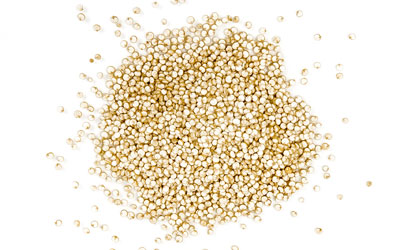
Grains: Quinoa, buckwheat, wheat berries, and millet become softer and easier to digest after sprouting.
Seeds: Alfalfa, radish, sunflower, and broccoli seeds offer unique flavors and high levels of beneficial compounds.
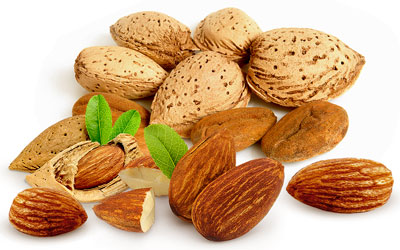
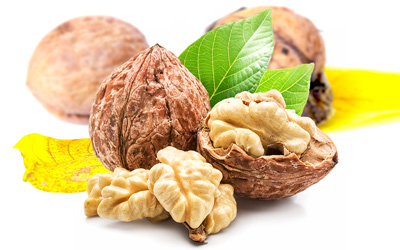
Nuts: Though not true sprouts, soaked and slightly germinated almonds and walnuts are easier to digest and taste milder.
Sprouting is more than a culinary trend. It is a practical, science-backed way to improve your nutrition, especially if you follow a plant-based or whole-food diet. From improved digestion and enhanced nutrient levels to vibrant flavors and textures, sprouts bring life to your meals. With just a little effort, you can grow your own mini superfoods at home and support your health from the inside out.
Sources
- Better Health Channel, Gut health, 2023
- Cleveland Clinic, What Are the Health Benefits (and Risks of Eating Raw Sprouts), 2021
- Colorado State University, Sprouts, n.d.
- Harvard Health Publications, Are sprouted grains more nutritious than regular whole grains? 2017
- Oregon State University, Sprout production, 2010
- Penn State University, What you should know about sprouts, 2005
- Virginia State University, Sprouting Seeds for Food, 2022
- American Heart Association, Tiny sprouts provide big nutrition, 2022
Footnotes:
- Nutrients. (2021). Edible Plant Sprouts: Health Benefits, Trends, and Opportunities for Novel Exploration. Retrieved March 28, 2025, from https://pubmed.ncbi.nlm.nih.gov/34445042/
- Journal of Medicinal Food. (2006). Genistein induces glucose – regulated protein 78 in mammary tumor cells. Retrieved March 28, 2025, from https://pubmed.ncbi.nlm.nih.gov/16579725/
- Journal of Food Science. (2007). NaCl-activated extracellular proteinase from Virgibacillus sp. SK37 isolated from fish sauce fermentation. Retrieved March 28, 2025, from https://pubmed.ncbi.nlm.nih.gov/17995713/
- European Journal of Biochemistry. (1997). Transferred nuclear Overhauser enhancement (NOE) and rotating-frame NOE experiments reflect the size of the bound segment of the Forssman pentasaccharide in the binding site of Dolichos biflorus lectin. Retrieved March 28, 2025, from https://pubmed.ncbi.nlm.nih.gov/9063470/
- Food Science & Nutrition. (2021). Nutritional and end‐use perspectives of sprouted grains: A comprehensive review. Retrieved March 28, 2025, from https://pmc.ncbi.nlm.nih.gov/articles/PMC8358358/
- Foods. (2023). Unlocking the Potential of Sprouted Cereals, Pseudocereals, and Pulses in Combating Malnutrition. Retrieved March 28, 2025, from https://pmc.ncbi.nlm.nih.gov/articles/PMC10649608/