
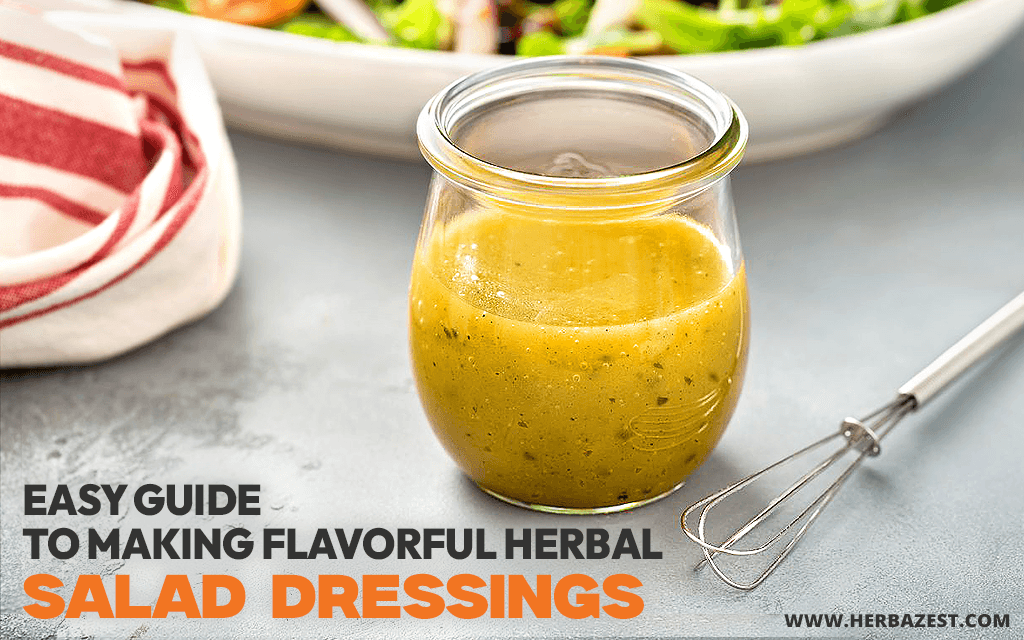
If you've ever glanced at the label of a store-bought salad dressing and paused at the long list of unfamiliar ingredients, you're not alone. Many people are now opting for homemade dressings, not just to avoid additives, but to enjoy fresher, more vibrant flavors. Conveniently, crafting your own herbal dressing at home is easier than it sounds. With just a few basic ingredients, you can create something far more flavorful and nourishing than anything you'll find on a shelf. Whether you're aiming to eat cleaner, save money, or simply add more variety to your meals, homemade herbal dressings are a smart and satisfying place to start.
Core Components of an Herbal Salad Dressing
To make a consistently flavorful and well-balanced dressing, it helps to know the essential building blocks, each playing a specific role in taste, texture, and nutrition:
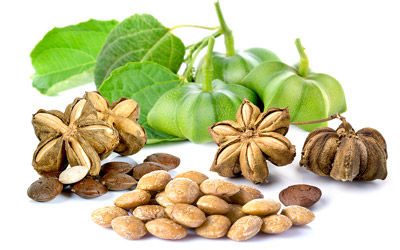
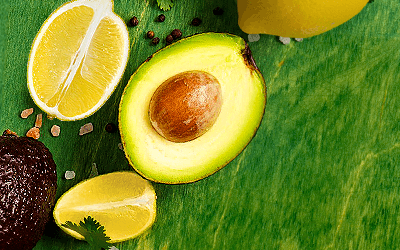
- Healthy Fat. This is the foundation of most dressings. It creates a smooth texture and helps absorb fat-soluble nutrients. The most popularly used oils for salads are those extracted from olives, avocados, sacha inchi, and flaxseed. You can also use creamy alternatives like tahini (paste made from sesame seeds) or butters from peanuts or almonds, which double as flavor and texture enhancers.
- Acid. Acidic ingredients provide brightness and balance to salad dressings, cutting through the richness of the fat and helping tie the flavors together. Squeeze in fresh juice from lemons or limes, or add a splash of apple cider vinegar or balsamic vinegar to take your dressing to another level.
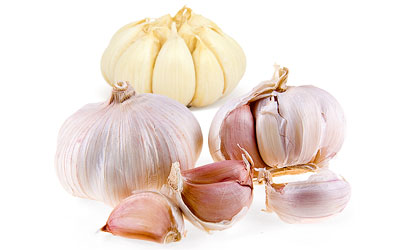
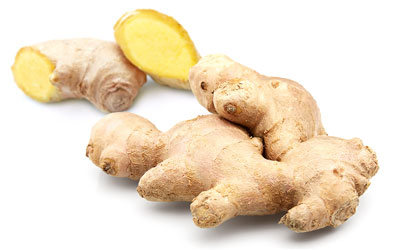
- Herbs & Aromatics. Fresh or dried herbs such as basil, parsley, thyme, and cilantro bring freshness, depth, and a variety of plant compounds with potential health benefits. Garlic, shallots, and ginger can further enhance complexity, while finely chopped jalapeño peppers add some lovely heat.
- Seasonings & Enhancers. Salt and black pepper are essentials, but small amounts of mustard, honey, maple syrup, soy sauce, or miso can help round out the flavor and stabilize the emulsion.
The ideal ratio for a vinaigrette is usually 3 parts fat to 1 part acid, but this can shift depending on the ingredients used. Creamy bases like nut butters or tahini may require more liquid or acid to reach the desired consistency and flavor.
Selecting Herbs for Flavor and Function
Herbs are the defining element that sets homemade dressings apart from their store-bought counterparts. Beyond their aromatic appeal, many herbs carry bioactive compounds that contribute to overall wellness, such as antioxidants, essential oils, and natural anti-inflammatory agents. Choosing the right herbs allows you to shape the flavor profile of your dressing while introducing added nutritional value.
Conveniently, many of them happen to be among the easiest herbs to grow at home:
Basil. Sweet, slightly peppery, and deeply aromatic, basil is a classic herb for Mediterranean-style dressings. It's also rich in flavonoids, which are known to help neutralize free radicals and support cellular health.1
Dill. With its grassy, citrusy brightness, dill works beautifully in lighter, yogurt-based dressings. It has long been used in traditional medicine for digestive support and mild antimicrobial effects. Recent research has also shown that dill may be beneficial for people with type 2 diabetes.2
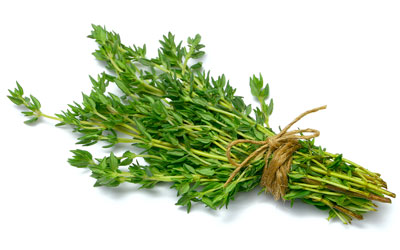
Thyme. Earthy, warm, and subtly minty, thyme is especially complementary to lemon- or honey-based vinaigrettes. Its main compound, thymol, has been studied for its antibacterial and anti-inflammatory properties.3
Parsley. Mild and slightly peppery, parsley brings a fresh green note to any dressing, from Greek yogurt ranch to chimichurri sauce. It's a natural source of vitamin C, folate, and iron, nutrients essential for immune support and energy production.
Cilantro. Known for its bright, citrusy flavor, cilantro adds a refreshing lift to Latin-inspired blends such as cilantro lime cashew dressing. Some studies suggest it may support detoxification by binding to heavy metals and aiding in their elimination.4
Fresh herbs offer brightness and a crisp, green quality to your dressing. Dried herbs, on the other hand, deliver a more concentrated flavor and work well when allowed to infuse over time. The key is to match your herb selection with the character of the salad and to experiment freely.
Putting It All Together
Once you understand the basic elements, putting together a flavorful herbal salad dressing becomes a quick and enjoyable process. Whether you prefer a light vinaigrette or a creamy herbal blend, the steps are essentially the same:
1. Combine Your Base and Acid
Start by whisking together your fat and acidic component in a small bowl or jar. This is the foundation of your dressing, so use high-quality ingredients for the best results.
2. Add Herbs and Flavor Enhancers
Finely chop your chosen herbs and aromatics and stir them into the mixture. You can also include mustard or a touch of honey for added depth. Add salt and black pepper (and any other spices, if using) to taste.
3. Emulsify the Dressing
To blend the ingredients into a smooth, cohesive mixture, whisk vigorously or shake them together in a sealed jar. For creamy dressings, you can use a blender and incorporate yogurt, tahini, or mashed avocado for a thicker consistency and richer mouthfeel.
4. Taste and Adjust
Before serving, taste your dressing and make small adjustments. If it's too sharp, add a drop of sweetener or more oil. If it tastes flat, a pinch of salt or a splash of lemon juice can help bring it to life.
5. Let the Flavors Meld
For optimal flavor, allow the dressing to rest for 10-15 minutes before using. This brief pause helps the herbs infuse and the flavors harmonize, especially when using dried ingredients.
Homemade dressings can typically be stored in the refrigerator for up to a week,especiallywhen made with fresh ingredients. Oil-based dressings may solidify whenchilled, so let them sit at room temperature before serving and shake to re-emulsify.
Creating your own herbal dressings is a simple way to improve both the taste and nutritional profile of everyday salads. By using fresh herbs and quality ingredients, you can avoid unwanted additives while enhancing the overall enjoyment of your meals. It can also be an easy and delicious introduction to cooking with herbs and a gateway to expanding your culinary repertoire.
Sources
- Colorado State University, How to Make Your Own Salad Dressing, n.d.
- Montana State University, Salad Dressings, n.d.
- South Dakota State University, Making a Safe Salad Dressing, 2023
- University of Connecticut, Making Your Own, Simple, and Healthy Salad Dressing, 2023
- University of Tasmania, The science of the ideal salad dressing, 2024
Footnotes:
- IOP Conference Series: Materials Science and Engineering. (2021). Studies on chemical, polyphenol content, flavonoid content, and antioxidant activity of sweet basil leaves (Ocimum basilicum L.). Retrieved August 19, 2025, from https://www.researchgate.net/publication/350084745_Studies_on_chemical_polyphenol_content_flavonoid_content_and_antioxidant_activity_of_sweet_basil_leaves_Ocimum_basilicum_L
- Trials. (2020). The effects of Anethum graveolens (dill) powder supplementation on clinical and metabolic status in patients with type 2 diabetes. Retrieved August 19, 2025, from https://trialsjournal.biomedcentral.com/articles/10.1186/s13063-020-04401-3
- International Journal of Molecular Sciences. (2023). Anti-Inflammatory and Antimicrobial Properties of Thyme Oil and Its Main Constituents. Retrieved August 19, 2025, from https://pmc.ncbi.nlm.nih.gov/articles/PMC10138399/
- The Scientific World Journal. (2013). Chelation: Harnessing and Enhancing Heavy Metal Detoxification: A Review. Retrieved August 19, 2025, from https://pmc.ncbi.nlm.nih.gov/articles/PMC3654245/