
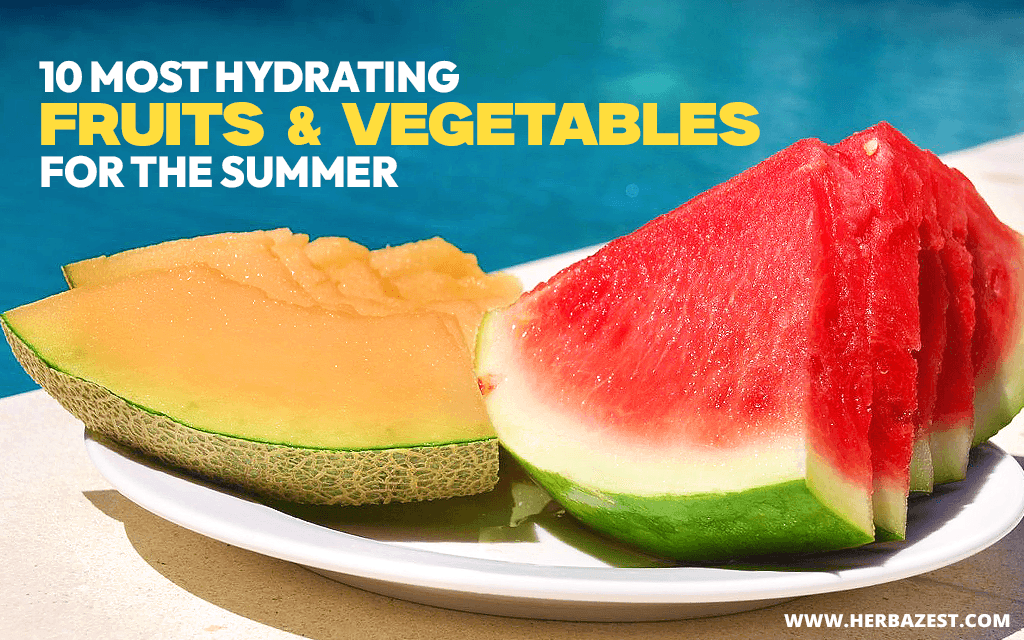
When summer temperatures soar, staying hydrated becomes essential for maintaining energy, supporting digestion, and keeping your body cool. While drinking plenty of water is the first step, adding hydrating fruits and vegetables to your diet can provide an extra boost of electrolytes, fiber, and nutrients. Many of these foods are made up of more than 90% water, making them perfect for replenishing fluids. Here are 10 top picks to help you stay refreshed all season.
1. Watermelon
With about 92% water, watermelon is one of the most popular summer hydrators. This juicy fruit is not only refreshing but also packed with essential nutrients like vitamins A and C, as well as antioxidants such as lycopene. Lycopene helps protect skin from sun damage, making watermelon a perfect summer snack. Its natural sweetness and high water content make it ideal for hydrating after outdoor activities or prolonged sun exposure.
2. Cucumber
Cucumber is made up of approximately 96% water, making it one of the most hydrating vegetables. It is also rich in electrolytes like potassium and magnesium, which help maintain fluid balance in the body. Cucumbers are a low-calorie option that can be enjoyed in salads like this Asian cucumber salad or infused in water alongside mint for an extra burst of freshness.
3. Strawberries
Strawberries contain around 91% water and deliver a big dose of vitamin C, fiber, and antioxidants. These vibrant berries support hydration while also helping boost immune function and promote skin health. Their natural sugars provide a quick energy boost, making them a great option for summer snacking. Adding strawberries to smoothies, salads, yogurt, or icy treats like this camu camu strawberry ice cream or banana strawberry acai popsicles enhances both hydration and nutrition.
4. Celery
Celery is composed of about 95% water, making it an excellent vegetable for hydration. It is also a great source of fiber, folate, and vitamin K. Celery's natural sodium content helps replenish lost electrolytes, especially after sweating in hot weather. Its crisp texture and mild flavor make it a great addition to salads, soups, refreshing juices, and picnic dips like this beet hummus, roasted garlic cannellini bean dip, and baba ganoush.
5. Oranges
Oranges are not only hydrating, with a water content of about 87%, but they are also rich in vitamin C, potassium, and fiber. These citrus fruits help regulate blood pressure, replenish lost electrolytes, and provide a tangy burst of flavor.1 Oranges are particularly beneficial after physical activity due to their natural sugar content, which helps restore energy levels while keeping the body hydrated.
6. Tomatoes
Tomatoes contain about 94% water and are an excellent source of lycopene, vitamin C, and potassium. Research shows that drinking tomato juice daily supports heart health.2 Whether fresh in salads and sandwiches or cooked into savory dishes like walnut and mushroom spaghetti bolognese, baked feta with cherry tomatoes, or ratatouille with herbs, they keep hydration delicious.
7. Pineapple
Pineapple is another great example of a hydrating summer fruit. It is composed of about 85% water and is loaded with bromelain, an enzyme that aids digestion and reduces inflammation. This tropical fruit is rich in vitamin C and antioxidants, helping to support the immune system and skin health. Its juicy and sweet taste makes it a favorite for recipes like this immunity-boosting camu camu pineapple smoothie, fruit salad with quinoa crispies, arracacha pineapple pudding, and more.
8. Peaches
Peaches are made up of approximately 88% water and are full of vitamins A and C, which promote healthy skin and immune function. They also contain fiber, which aids digestion and keeps the body feeling satisfied. Their natural sweetness and juiciness make them a great summer fruit, whether eaten fresh, blended into smoothies like this peaches and cream smoothie, or added to desserts like this peach galette with lupin flour, healthy amaranth peach crumble, or grilled peaches with lucuma cashew cream.
9. Zucchini
This versatile veggie contains about 94% water and is naturally low in calories while being rich in fiber, vitamin C, and antioxidants. Zucchini is also very versatile, enriching both savory and sweet dishes, from Korean vegetable pancakes and tomato zucchini focaccia to kaniwa zucchini brownies. Its high water content supports hydration while adding a satisfying texture to dishes.
10. Lettuce
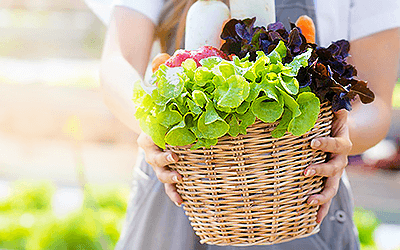
Lettuce, especially varieties like iceberg and romaine, contains around 95% water. It is a great base for salads and sandwiches, providing hydration while adding essential nutrients like folate and vitamin K. Lettuce is light, crisp, and easy to incorporate into meals like these veggie rice paper rolls, making it an effortless way to boost water intake during summer.
Incorporating these hydrating fruits and vegetables into your summer meals can significantly contribute to overall hydration while providing essential nutrients that support your well-being. Not only do they help maintain fluid balance, but they also supply vitamins, minerals, and antioxidants that benefit skin, digestion, and energy levels. By enjoying a variety of these refreshing foods, staying hydrated can be both delicious and nutritious, helping you feel your best all summer long.
Sources
- Clemson University, Foods to help you stay hydrated, 2024
- Harvard Health Publications, Using food to stay hydrated, 2024
- Michigan State University, Eating fruit to help stay hydrated, 2021
- Missouri State University, Stay hydrated with these water-rich foods, 2025
- Ohio State University, Using fruits and vegetables to increase your daily water intake, 2023
Footnotes:
- ARYA Atherosclerosis. (2013). Effects of citrus sinensis juice on blood pressure. Retrieved August 13, 2025, from https://pmc.ncbi.nlm.nih.gov/articles/PMC3653258/
- Plant Foods for Human Nutrition. (2019). Comparison of Polyphenol-Enriched Tomato Juice and Standard Tomato Juice for Cardiovascular Benefits in Subjects with Stage 1 Hypertension: A Randomized Controlled Study. Retrieved August 13, 2025, from https://pubmed.ncbi.nlm.nih.gov/30661220/