
Physical activity places real demands on the body. Muscles contract repeatedly, energy stores are used, fluids and minerals are lost, and small amounts of tissue breakdown naturally occur. Nutrition after exercise plays a central role in how efficiently the body recovers, adapts, and prepares for future movement. Plant-based foods, when chosen with intention, can meet these needs effectively while offering additional benefits from fiber, micronutrients, and bioactive compounds.
Plant-Based Nutrition and Athletic Performance
For decades, sports nutrition emphasized meat as essential for athletic performance due to its protein density and amino acid profile. However, research over the past two decades shows that well-planned plant-based diets can support strength, endurance, and recovery just as effectively.¹,²,³,⁴
Studies comparing plant-based and omnivorous athletes generally find no disadvantage in performance when energy and protein needs are met. Plant-based diets are naturally rich in carbohydrates, the primary fuel for exercise, and provide antioxidants that may support recovery and cardiovascular efficiency. Current evidence suggests that protein needs for muscle adaptation can be met with varied plant sources, making meat optional rather than essential for athletic performance.
Key Nutrients for Post-Workout Recovery
After exercise, three nutrients become especially important: carbohydrates, protein, and fluids with minerals. Together, these nutrients work synergistically to promote energy restoration, tissue repair, and balance within the body.
Carbohydrates
Carbs are the primary fuel used during most forms of physical activity. Exercise reduces glycogen, the stored form of carbohydrate found in muscles and the liver. Replenishing these stores supports energy availability, helps reduce fatigue, and prepares the body for the next bout of movement.
Protein
Protein is essential for muscle repair and adaptation. Physical activity causes small, normal disruptions in muscle tissue. Dietary protein provides amino acids that help rebuild and maintain muscle structure and support the body's natural recovery processes. Consistent protein intake after activity contributes to strength maintenance and overall physical resilience.
Fluids and Minerals
Sweating leads to fluid loss as well as the loss of electrolytes such as sodium, potassium, and magnesium. These minerals support muscle contraction, nerve signaling, and hydration balance. Replacing both fluids and minerals after exercise helps maintain normal physiological function and supports recovery.
Plant-Based Sources of Recovery Nutrients
Plant-rich diets offer a wide range of foods that naturally provide these recovery nutrients without excessive processing.
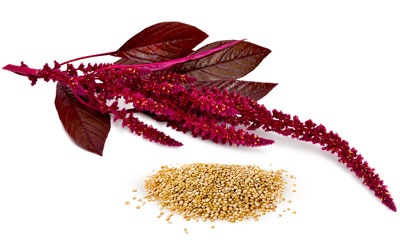
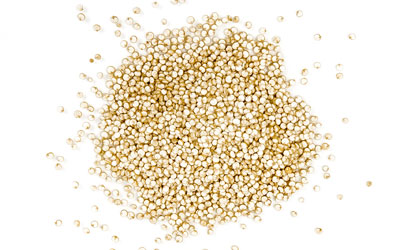
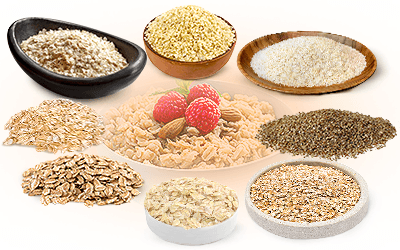
For carbohydrates, whole grains and starchy plants are especially valuable. Oats, amaranth, brown rice, quinoa, millet, and barley provide complex carbohydrates that restore energy while also supplying micronutrients and protein. Root vegetables such as sweet potatoes, potatoes, and beets are also rich carbohydrate sources that are well suited to post-exercise nutrition. Fruits like bananas, mangoes, dates, and blueberries contribute natural sugars along with antioxidants and hydration.
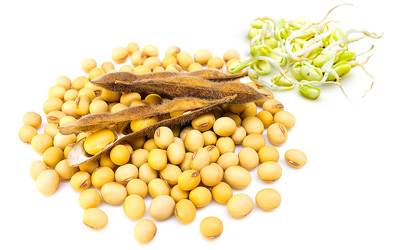
Protein can be obtained from legumes, seeds, and certain grains. Lentils, chickpeas, black beans, and peas provide both protein and carbohydrates, making them particularly effective for recovery. Soy-based foods such as tofu and tempeh contain complete protein profiles. Nuts, as well as seeds from hemp, sacha inchi, pumpkin, and chia, also contribute meaningful amounts of plant protein when eaten regularly.
The best time to eat protein and carbohydrates is within two hours after exercise to support recovery.5
Fluids and minerals come from both beverages and foods. Water remains the primary fluid for rehydration, while foods like leafy greens, beans, fruits, and seeds supply potassium and magnesium needed for normal muscle function and fluid balance. Naturally mineral-rich foods support hydration without relying on highly processed electrolyte products.
Practical Post-Workout Meal Ideas
Post-workout meals work best when they are easy to digest, balanced, and adaptable to appetite and schedule. Here are a few practical, plant-based options that work well after different types of workouts:
Smoothies like this peanut butter banana smoothie with quinoa pop, lucuma almond coconut smoothie, or chocolate smoothie with sacha inchi powder
Savory snacks like crackers with roasted garlic cannellini bean dip or beet hummus
Make-ahead options like peanut butter banana bites or lemon coconut chia pudding
Sweet yet wholesome snacks like chocolate almond quinoa flake bars or peanut butter puffed quinoa oat bars
Sandwiches like this crispy tofu wrap or chickpea salad sandwich
Quick & easy meals like soy yogurt with cranberry pecan quinoa granola or carrot cake amaranth granola
Simple, on-the-go options like this high protein trail mix with sacha inchi seeds
Post-workout nutrition does not need to be complex or rigid to be effective. Carbohydrates, protein, and fluids with minerals form the foundation of recovery, and plant-based foods can provide all three in a balanced and accessible way. By focusing on whole ingredients, variety, and consistency, plant-based nutrition supports recovery, energy balance, and long-term physical well-being.
Sources
- Australian Institute of Fitness, Fueling Your Workouts: A Guide to Pre- and Post-Workout Nutrition, 2024
- Concordia University, 5 Tips for Creating a Plant Based Diet for Athletes, 2020
- Cowan University, Nutritional strategies to improve post-exercise recovery and subsequent exercise performance: A narrative review subsequent exercise performance: A narrative review, 2025
- Harvard Health Publications, Feeding your fitness, 2024
- Johns Hopkins Medicine, Sports and Hydration for Athletes: Q&A with a Dietitian, n.d.
- Nutrients, Effect of Plant-Based Proteins on Recovery from Resistance Exercise-Induced Muscle Damage in Healthy Young Adults | From Food Supplements to Functional Foods | Recovery Nutrition | Post-Exercise Nutrition Knowledge and Adherence to Recommendations
Footnotes:
- British Journal of Nutrition. (2023). Plant-based diets benefit aerobic performance and do not compromise strength/power performance: a systematic review and meta-analysis. Retrieved December 16, 2025, from https://pubmed.ncbi.nlm.nih.gov/37869973/
- European Journal of Plant Physiology. (2022). Benefits of a plant-based diet and considerations for the athlete. Retrieved December 16, 2025, from https://pubmed.ncbi.nlm.nih.gov/35150294/
- Nutrients. (2021). The Impact of Vegan and Vegetarian Diets on Physical Performance and Molecular Signaling in Skeletal Muscle. Retrieved December 16, 2025, from https://pubmed.ncbi.nlm.nih.gov/34836139
- Quality in Sports.(2025). Plant-Based Diets and Athletic Performance: A Critical Review of Evidence Across Endurance, Strength, and Hypertrophy Domains. Retrieved December 16, 2025, from https://apcz.umk.pl/QS/article/view/60106
- Journal of the International Society of Nutrition. (2018). ISSN exercise & sports nutrition review update: research & recommendations. Retrieved December 16, 2025, from https://pubmed.ncbi.nlm.nih.gov/30068354/