
Few foods embody the essence of earthy nourishment quite like root vegetables. Grown beneath the soil, these humble plants absorb nutrients from the earth, resulting in vibrant flavors, satisfying textures, and a wealth of health-supporting compounds. From sweet potatoes and carrots to beets and parsnips, roots have long been dietary staples around the world, and for good reason. They offer sustained energy, essential vitamins, and culinary versatility that bridges comfort and nutrition beautifully.
What Are Root Vegetables?
Root vegetables develop edible parts beneath the soil, where they store water, minerals, and carbohydrates as energy reserves for the plant's growth. These underground stores, found in thickened roots, tubers, bulbs, or rhizomes, are what make them so nutrient dense and satisfying as food.
Botanically, “root vegetable” is a broad term that includes true roots and other underground parts:
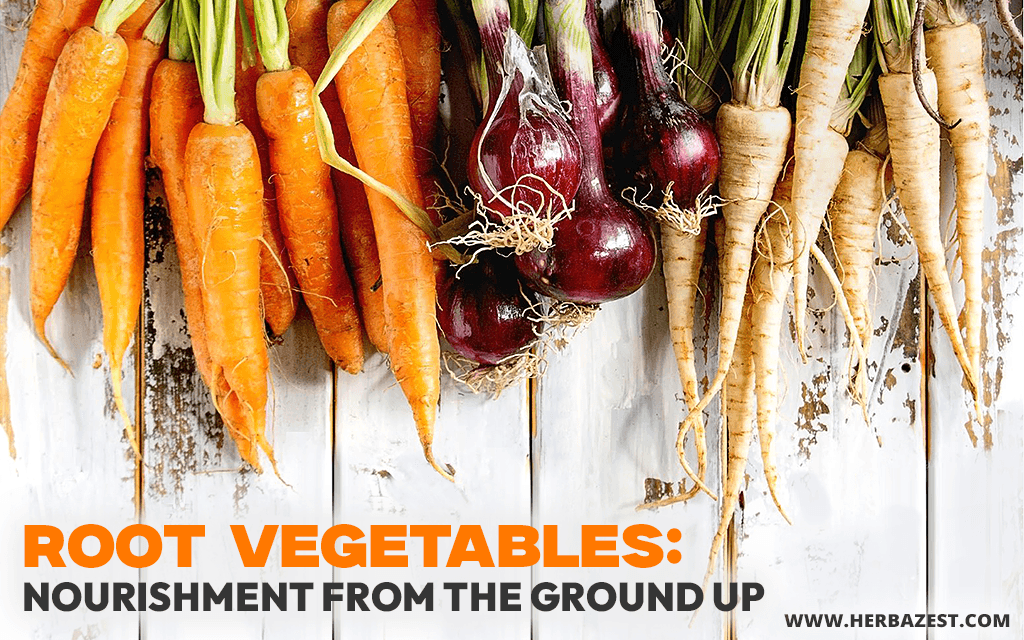
True roots: carrots, beets, radishes, cassava, daikon, horseradish, parsnips
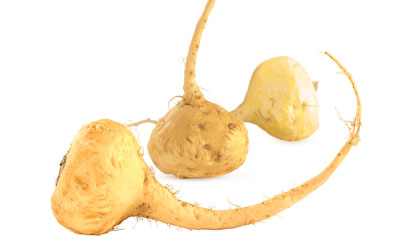
Tubers: potatoes, maca, yams, sweet potatoes, yacon
Corms: celery root, turnip, taro
Most varieties of root vegetables grow best in cool weather. As temperatures drop, their starches convert to sugars, developing the sweetness that makes winter roots so appealing. From late autumn through early spring, they bring color and comfort to the table when most produce is out of season.
Nutritional Benefits of Root Vegetables
Root vegetables offer a broad range of micro- and macronutrients, with each type contributing something unique to the diet.
Complex Carbohydrates
Complex carbohydrates are their defining nutritional feature, including starches that provide steady energy and fiber that supports digestion and blood sugar balance. Some tubers, such as potatoes and taro, contain resistant starch, known for its prebiotic effects.
Yacon is especially rich in fructooligosaccharides (FOS) and inulin, two fibers that support gut health. Research also notes that yacon may be a non-dairy carrier of probiotics that benefit digestive and overall health.1
Vitamins & Minerals
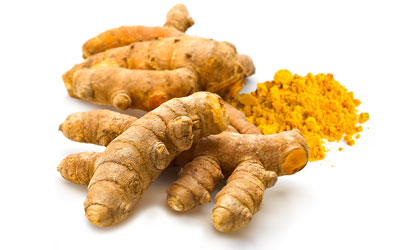
Most root vegetables supply important micronutrients, particularly potassium and vitamin C. Carrots and sweet potatoes contribute beta-carotene, which the body converts into vitamin A, while beets, yams, and turmeric provide manganese, a mineral involved in energy metabolism. Together, these nutrients make roots a nourishing base for everyday meals.
Medicinal Properties of Root Vegetables
Root vegetables have long been valued in traditional diets for promoting strength and vitality, and modern research supports many of these uses.
Beets naturally increase the body's production of nitric oxide, a molecule that relaxes blood vessels and supports healthy blood pressure. Studies also indicate that beetroot juice may help reduce cold symptoms triggered by stress.2
Roots with deep color, such as purple sweet potatoes, are rich in carotenoids, polyphenols, and anthocyanins, all of which act as antioxidants. Research shows that purple sweet potatoes may help reduce oxidative stress and inflammation, with potential benefits for metabolic health.3,4
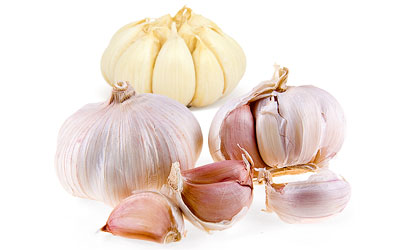
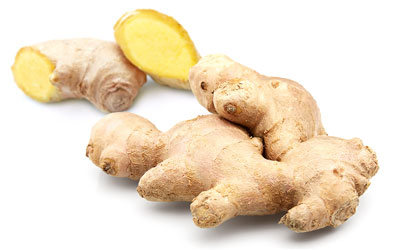
Radishes, garlic, and daikon contain glucosinolates, sulfur compounds that activate detoxification enzymes and support liver function. Clinical trials report that garlic may lower chronic disease risk tied to inflammation in obese adults.5 Meanwhile, ginger may relieve migraines by enhancing the effectiveness of anti-inflammatory medications.6
Cooking with Root Vegetables
Root vegetables shine in both comfort food and gourmet dishes. Their dense texture and natural sweetness adapt easily to a range of preparations:
Roasted. The roasting process caramelizes sugars for rich, nutty flavor. Toss a mix of beets, carrots, and parsnips in olive oil, herbs, and salt, and roast until tender. Drizzle them with tahini-lemon dressing for added flavor.
Mashed or Pureed. Sweet potatoes or turnips make creamy, nutrient-dense sides. Mash them with olive oil for additional health benefits and pair them with a protein source for a complete, balanced meal.
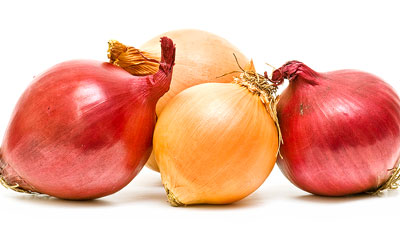
Soups and Stews. Root veggies add body and sweetness to soups and stews. Try blending roasted carrots and onions with vegetable stock for a warming puree.
Raw and Pickled. Root vegetables such as carrots, beets, onions, and daikon are some of the best vegetables to ferment and pickle, offering crunchy textures, tangy brightness, and health benefits.
Chips and Fries. Thinly sliced sweet potatoes or taro can be baked or air-fried for a wholesome snack.
To retain nutrients, avoid over-boiling. Light roasting or steaming preserves vitamins and texture best. When possible, buy organically grown roots and keep the skins on, as they contain valuable fiber and antioxidants.
Eating root vegetables connects us to the rhythm of nature. They remind us that nourishment can be simple, seasonal, and deeply satisfying. In colder months, they bring warmth and stability; in warmer ones, their crispness and versatility keep meals fresh and balanced. Whether roasted, blended, or raw, these underground gems invite us to slow down, cook mindfully, and draw sustenance from the earth itself, nourishment from the ground up.
Sources
- Food Chemistry, Anthocyanins: a comprehensive review of their chemical properties and health effects, 2020
- Harvard Health Publications, The pros and cons of root vegetables, 2022
- International Journal of Environmental Research and Public Health, Root Vegetables-Composition, Health Effects, and Contaminants \, 2022
- University of Wyoming, Rediscover your roots, 2015
Footnotes:
- LWT. (2017). Evaluation of dried yacon (Smallanthus sonchifolius) as an efficient probiotic carrier of Lactobacillus casei LC-01. Retrieved November 13, 2025, from https://www.sciencedirect.com/science/article/pii/S0023643816305138
- Physiology & Behavior. (2019). Beetroot juice supplementation for the prevention of cold symptoms associated with stress: A proof-of-concept study. Retrieved November 17, 2025, from https://pubmed.ncbi.nlm.nih.gov/30682333/
- Pharmacy Education. (2024). Purple sweet potato antioxidants for oxidative stress caused by intense physical exercise. Retrieved November 13, 2025, from https://pharmacyeducation.fip.org/pharmacyeducation/article/view/2729
- Foods. (2023). Mechanism of Anti-Diabetic Activity from Sweet Potato (Ipomoea batatas): A Systematic Review. Retrieved November 13, 2025, from https://www.mdpi.com/2304-8158/12/14/2810
- Clinical Nutrition ESPEN. (2018). Aged garlic extract supplementation modifies inflammation and immunity of adults with obesity: A randomized,double-blind, placebo-controlled clinical trial. Retrieved November 13,2025, from https://pubmed.ncbi.nlm.nih.gov/29576354/
- Sage Journals. (2018). Double-blind placebo-controlled randomized clinical trial of ginger (Zingiber officinale Rosc.) addition in migraine acute treatment. Retrieved November 13, 2025, from https://pubmed.ncbi.nlm.nih.gov/29768938/