

As daylight begins to stretch and mornings grow brighter, it is natural to expect energy to rise just as quickly. Yet early spring often feels slower than anticipated. Even with more light, many people wake up feeling slightly heavy or not fully ready to engage with the day.
This gentle mismatch is part of the seasonal transition. Environmental cues shift first, while the body takes time to adapt. Supporting morning energy during this period is less about intensity and more about composition. Thoughtfully balanced breakfasts can help create lighter spring mornings, bringing steadier energy as the season begins to change.
Why Mornings Can Feel Heavy After Winter
As winter gives way to spring, the body does not always adjust at the same pace as the season itself. Shorter days, richer meals, and lower levels of physical activity during colder months can subtly influence sleep rhythms, digestion, and daily energy patterns.
Even as daylight returns, these habits do not reset overnight. It often takes time for the body to recalibrate. As routines gradually shift toward lighter meals, more movement, and brighter mornings, energy patterns tend to follow, bringing a more balanced start to the day.
Lighter Breakfasts for Seasonal Transition
A lighter start to spring does not mean eating less. Instead, it emphasizes meals that combine protein, healthy fats, and complex carbohydrates in balanced proportions. These combinations support lasting energy and greater satiety, helping mornings feel more balanced.1
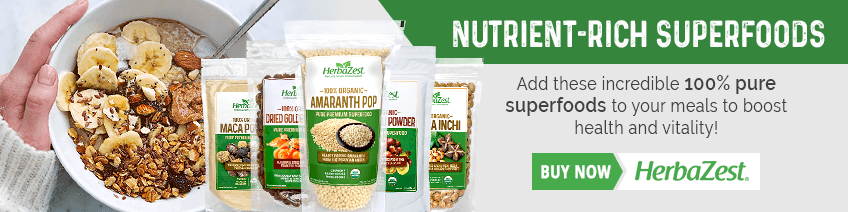
Whole grains, fresh fruit, nuts, and seeds bring variety and balance to the morning table, creating light spring breakfasts that sustain energy through the morning.
1. Super-Charged Smoothies
When made with whole ingredients, smoothies can function as a complete breakfast. A thoughtful blend combines fruit for natural sweetness, protein for satiety, and healthy fats that help slow digestion and sustain energy.
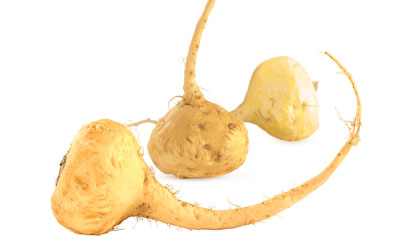
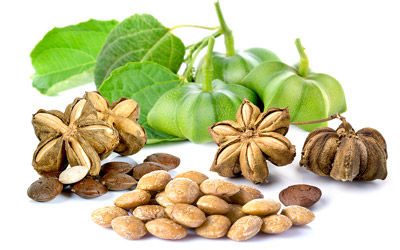
Nutritional powders can easily enhance both flavor and nourishment. Maca, traditionally consumed in the Andes, is often added to morning blends for vitality, while sacha inchi contributes complete plant protein that promotes fullness. Quick to prepare and easy to customize, smoothies offer a refreshing and effortless start to your day.
Try this espresso maca morning smoothie, lucuma almond coconut smoothie, or sacha inchi chocolate smoothie for a nourishing morning boost.
2. Yogurt with Fruit and Andean Toppings
Yogurt provides a naturally protein-rich base for a balanced breakfast. Paired with fresh fruit, it becomes a light yet satisfying breakfast for spring that balances protein and fiber.
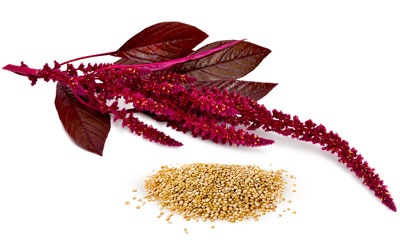
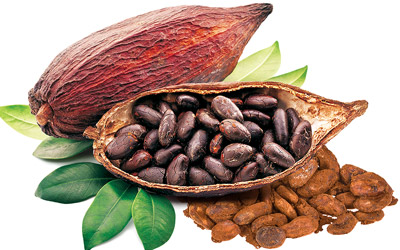
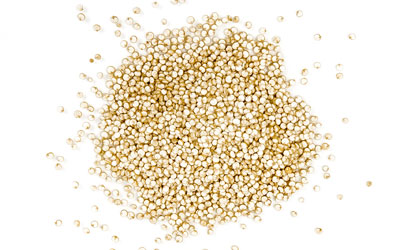
Flavor can be gently enhanced with ingredients such as camu camu for bright tanginess, lucuma for its subtle maple-like notes, or cacao for depth and a gentle energy boost. Chia seeds, nut butters, or sacha inchi seeds add healthy fats that make the bowl more sustaining. A sprinkle of quinoa crispies or amaranth pop adds texture and a wholesome finishing touch.
Try this blueberry swirl yogurt with quinoa crispies, chocolate yogurt with kaniwa pop, or amaranth flake yogurt bowl with fruits for a balanced start to the day.
3. Grain Bowls with Protein-Rich Flakes
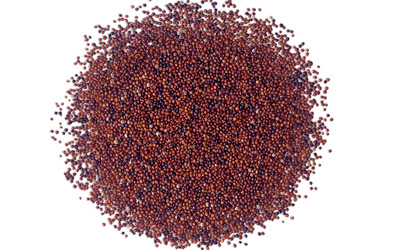
Warm grain bowls are especially appealing in early spring, when mornings can still feel cool. In addition to oats, flakes made from quinoa, amaranth, or kaniwa offer variety while naturally increasing the protein content of the meal.
These pseudocereals also provide complex carbohydrates that help create a steadier release of energy. Oats are particularly valued for their beta-glucans, a type of soluble fiber associated with prolonged satiety and healthy cholesterol levels.2 Finished with fresh fruit, seeds, and a spoonful of nut butter, grain bowls feel nourishing without becoming heavy, making them perfect for a spring breakfast that supports steady energy.
Try this honey & fig amaranth flake porridge, blueberry acai oatmeal, or kaniwa flour porridge for a sustaining spring breakfast.
4. Nutrient-Dense Homemade Granola
Making granola at home allows full control over ingredients and sweetness while creating a versatile breakfast staple. While oats remain the classic base, granola can also include puffed, popped, or flaked whole grains and cereals, like millet, quinoa, and buckwheat.
Made with nuts and seeds, granola packed protein, fiber, and healthy fats that help slow carbohydrate absorption and promote longer-lasting satiety. Whether enjoyed with milk, yogurt, or fresh fruit, homemade granola offers a satisfying and versatile breakfast.
Try this chocolate quinoa pop breakfast cereal, carrot cake granola with amaranth crispies, or crunchy kaniwa pop muesli for an energizing breakfast bowl.
Key Takeaways
Spring energy does not return all at once. Seasonal transitions unfold gradually, and the body often benefits from small adjustments rather than dramatic changes. Choosing breakfasts that combine whole foods rich in protein, complex carbs, and healthy fats can help support steadier energy while still providing lasting nourishment. These meals also create an opportunity to use fresh spring ingredients and eat seasonally. Over time, they help mornings feel lighter, steadier, and more in tune with the unfolding season.
Sources
- Academy of Nutrition and Dietetics, Eating to Boost Energy, 2023
- Cleveland Clinic, Eating for Energy: Foods that fight fatigue, 2024
- Harvard Health Publications, Eating to boost energy, 2011
- Integris Health, Foods That Give You Energy, 2021
- National Institute for Fitness and Sport, Boosting Energy with Balanced Meals, 2025
- New Health Journal, Eating for Energy: The Ultimate Scientific Guide, n.d.
- Utah State University, Spring Into a Healthy Lifestyle – Meals, Exercise & the Outdoors, 2021
Footnotes:
- JAMA. (2002). Physiological Mechanism Relating to Obesity, Diabetes, and Cardiovascular Disease. Retrieved March 11, 2026, from https://jamanetwork.com/journals/jama/article-abstract/194907
- The American Journal of Clinical Nutrition. (2014). Cholesterol-lowering effects of oat β-glucan: a meta-analysis of randomized controlled trials. Retrieved March 11, 2026, from https://www.sciencedirect.com/science/article/pii/S0002916523048426