
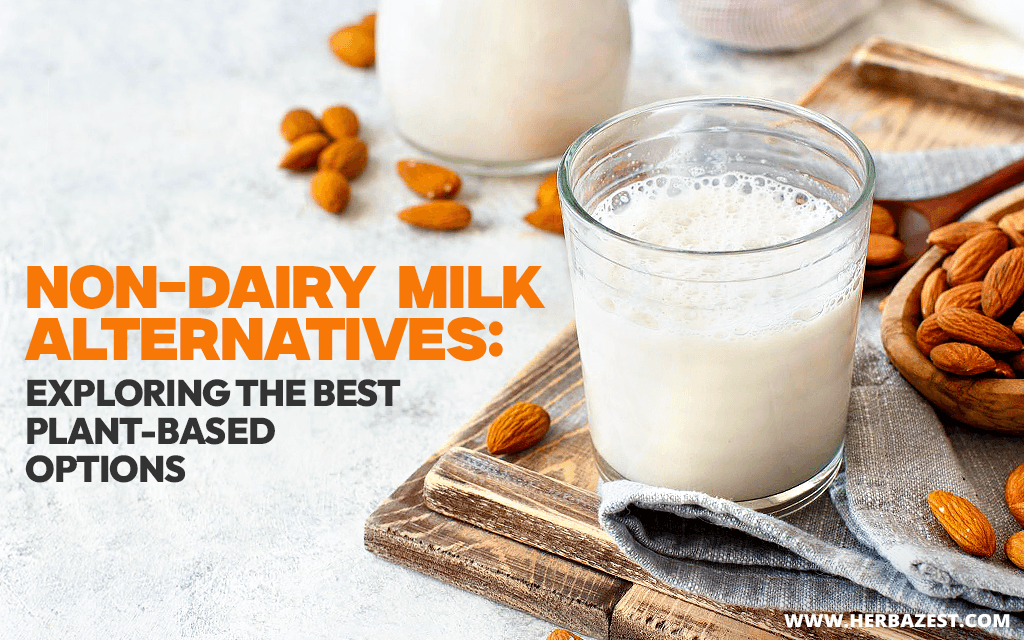
In the last few years, plant-based milks have become everyday staples in many kitchens. Whether chosen for taste, dietary preferences, or culinary versatility, non-dairy milk alternatives offer a wide range of flavors and nutritional profiles. Made from grains, nuts, seeds, or legumes, they fit naturally into modern eating habits and can enrich various meals and beverages. Explore the best plant-based milk options to understand how each non-dairy milk alternative differs in origin, flavor, and nutritional character, and how they can be used in everyday routines.
Oat Milk
Oat milk is a popular plant-based milk alternative made from whole oats blended with water and then strained to create a smooth, creamy liquid. Its naturally mild and slightly sweet flavor makes it especially popular in coffee, cereals, and baked goods. Besides their versatility and neutral taste, oats offer numerous health benefits, including naturally occurring beta-glucans, a type of soluble fiber that helps regulate cholesterol levels, support smooth digestion, and promote fullness.1
Almond Milk
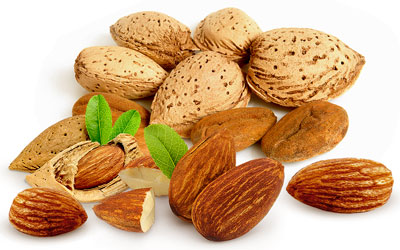
Almond milk is a widely used non-dairy milk made by blending soaked almonds with water, resulting in a light beverage with a subtle nutty flavor. It has a clean, nutty flavor that works well in smoothies like this peanut butter banana smoothie, desserts, and other beverages, like this carob almond latte. Almond milk is naturally low in carbohydrates and contains small amounts of healthy fats from almonds. It also contributes vitamin E, a nutrient that helps protect cells from oxidative damage.
Soy Milk
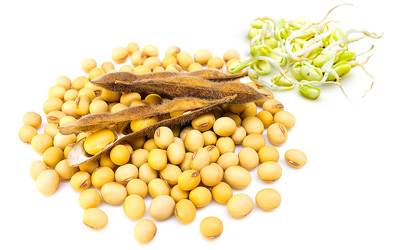
Soy milk is a plant-based milk alternative made from whole soybeans and water and is considered one of the most nutritionally complete non-dairy options. Its mild, neutral flavor works well in both sweet and savory recipes, including these fluffy quinoa pancakes, sweet potato pie, and no-bake chocolate oat & quinoa cake. Soy milk naturally provides plant-based protein, including essential amino acids. This balanced composition has made it a long-standing staple among non-dairy alternatives.
Coconut Milk
Traditional coconut milk is made from grated mature coconut flesh and is thick, canned, and mainly used for cooking. Coconut milk beverages, on the other hand, are a plant-based milk alternative blended with water to create a lighter, drinkable option. They have a gently sweet, tropical flavor and a smoother consistency that works well in smoothies and light desserts. Nutritionally, coconut milk beverages contain medium-chain fats and add subtle richness to plant-based recipes.
Rice Milk
Rice milk is made by blending milled rice with water, then straining it into a smooth, thin liquid. This popular non-dairy milk alternative has a milk sweet, neutral flavor, making it easy to pair with cereals, fruit, or light desserts. Rice milk is low in fat and free from common allergens such as nuts and soy, making it a suitable plant-based milk option for those seeking a mild, easy-to-use alternative.
Hemp Milk
Another milk alternative, hemp milk comes from hemp seeds blended with water, producing a creamy beverage with a slightly earthy, nut-like flavor. Hemp milk contains naturally occurring fats, including omega fatty acids, which contribute to its texture and make it a versatile option for drinks, soups, and sauces.
Choosing a plant-based milk alternative is less about finding a single best option and more about matching options to everyday needs. When made with pure, wholesome components, these milks can serve as nourishing, functional foods. Store-bought versions can be convenient but may include added stabilizers or sweeteners. Understanding these differences helps plant-based milks play a more intentional role in enriching the everyday diet.
Sources
- Bastyr University, Which Milk Alternative Is the most Eco-Friendly? 2023
- Food Science of Animal Resources, The Impact of Plant-Based Non-Dairy Alternative Milk on the Dairy Industry, 2021
- Frontiers in Food Science and Technology, Plant-Based Milk Substitutes: sources, productions, and nutritional, nutraceutical and sensory qualities, 2025
- Institute of Food Technologists, A Closer Look at Plant-Based Milk Alternatives, n.d.
- Journal of Food Science and Technology, Plant-based milk alternatives an emerging segment of functional beverages: a review, 2016
- Nutrition Issues in Gastroenterology, Moo-over Over, Cow’s Milk: The Rise of Plant-Based Dairy Alternatives, 2018
- Tufts University, Switching to Plant Milk? Here’s What You Should Know, 2024
Footnotes:
- Foods.(2021). A Review of Health-Beneficial Properties of Oats. Retrieved December 19, 2025, from https://www.mdpi.com/2304-8158/10/11/2591