
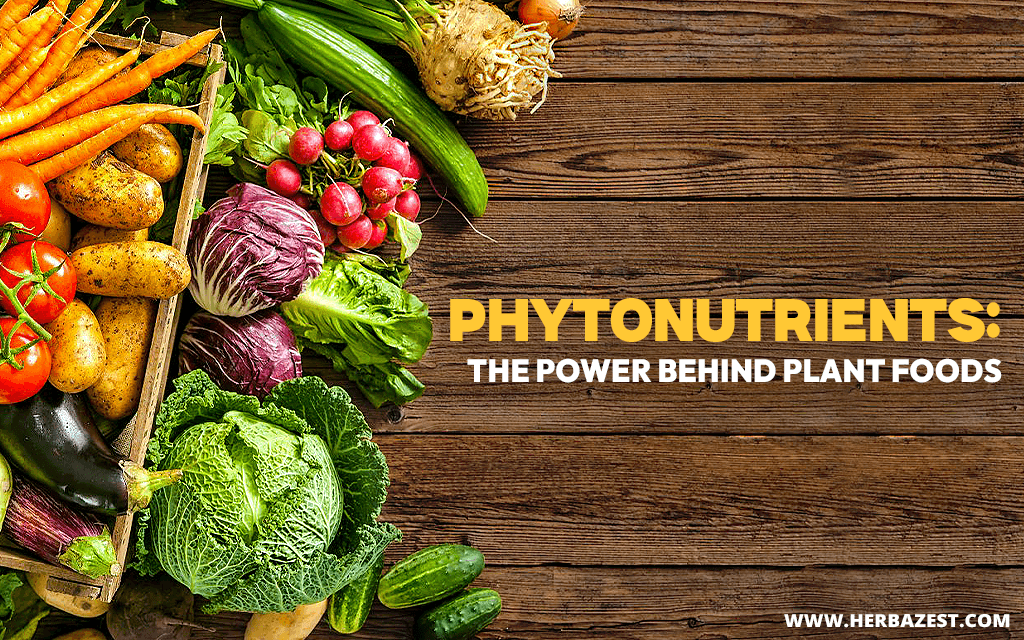
When we think about nutrition, most people focus on macronutrients like protein, carbohydrates, and fats, or micronutrients such as vitamins and minerals. These are essential, but they represent only the foundation of how food nourishes the body.
Plant foods also provide a wide range of naturally occurring compounds called phytonutrients. While they are not classified as essential nutrients, they are increasingly recognized for their role in shaping the nutritional quality of whole foods and supporting overall well-being when included as part of a varied, plant-rich diet.
What Are Phytonutrients?
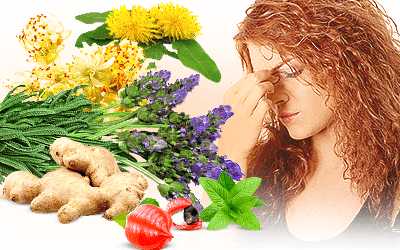
Phytonutrients, or phytochemicals, are bioactive compounds produced by plants that help them defend against environmental stressors such as UV radiation, pests, and disease. They are also responsible for many of the colors, flavors, and aromas found in plant foods.
Scientists have identified over 25,000 phytonutrients in plant foods.1 However, research tends to focus on a smaller number of well-characterized groups, along with specific compounds widely studied for their biological activity.
Major Classes of Phytonutrients
Polyphenols such as flavonoids, anthocyanidins, catechins, and phenolic acids
Carotenoids like beta-carotene, lutein, and lycopene
Glucosinolates such as glucoraphanin and sinigrin
Phytoestrogens including isoflavones and lignans
Alkaloids and organosulfur compounds like sulfides and thiols
Among these, polyphenols and carotenoids are the most widely researched due to their abundance in plant foods and potential properties.2
Potential Health Benefits of Phytonutrients
While they are not essential nutrients, phytonutrients interact with multiple systems in the body and may contribute to long-term health when consumed through whole foods.
1. Antioxidant Activity
Many phytonutrients can help neutralize free radicals, which are unstable molecules that can damage cells over time. This antioxidant activity supports the body's natural defense systems against oxidative stress, which is associated with aging and various chronic conditions.3
2. Cardiovascular Support
Diets rich in phytonutrient-containing foods, particularly polyphenols, have been associated with improved vascular function. These compounds may help support blood vessel flexibility and circulation, contributing to overall cardiovascular health.4
3. Modulation of Inflammation
Certain phytonutrients can influence inflammatory pathways in the body by interacting with signaling molecules involved in the immune response. While inflammation is a normal process, its regulation is important for maintaining long-term function.5
4. Gut Microbiota Interaction
Some phytonutrients, especially polyphenols, are metabolized by gut bacteria and can influence the composition of the microbiome. This interaction may help support microbial diversity, which is increasingly linked to digestive and overall health.6
5. Cellular Protection
Phytonutrients may also play a role in supporting cellular function by influencing detoxification enzymes and signaling pathways. These effects can help the body respond to environmental stressors at the cellular level.7
Best Food Sources of Phytonutrients
Focusing on variety across plant foods is one of the most effective ways to naturally increase phytonutrient intake. Below are key sources grouped according to the major compound classes.
Polyphenols
- Berries (blueberries, strawberries , and raspberries)
- Green tea
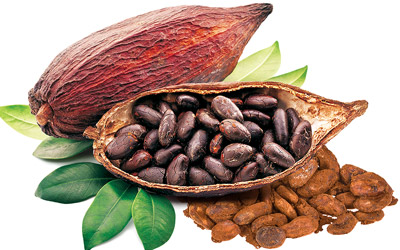
- Cacao and dark chocolate
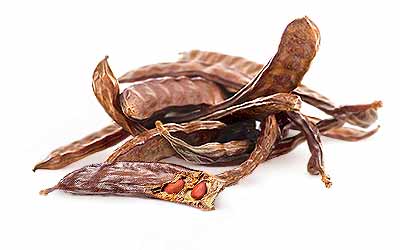
- Carob
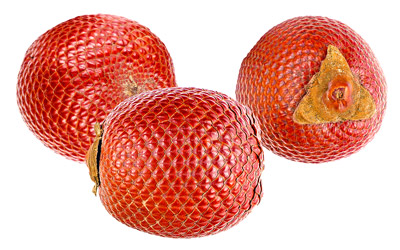
- Lucuma
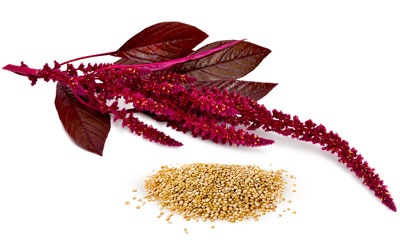
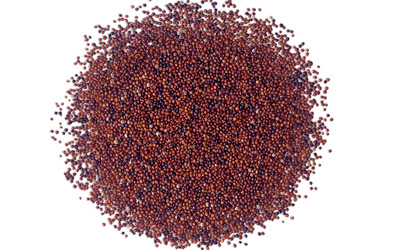
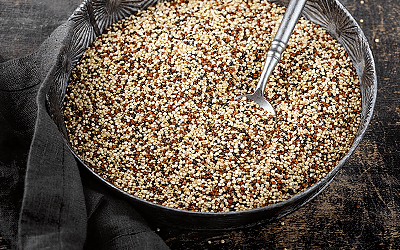
- Quinoa, amaranth, and kaniwa
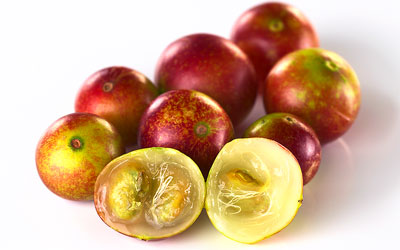
- Camu camu
- Spices such as cloves and cinnamon
Carotenoids
Glucosinolates
- Broccoli
- Brussels sprouts
- Cabbage
- Arugula
- Maca (which also contains unique compounds called macamides)
Phytoestrogens
Alkaloids and Organosulfur Compounds
Bringing Phytonutrients Into Everyday Meals
Including phytonutrients in your diet is less about adding new foods and more about how you combine the ones you already use. Small shifts in variety and composition can make everyday meals more nutritionally diverse.
Think in combinations, not single ingredients. Meals built from different plant sources naturally provide a broader range of compounds than those centered around one staple.
Layer foods with different colors and textures. A bowl that includes grains, fruit, nuts, or seeds brings together distinct plant compounds in one dish. Consider trying new presentations of your favorite staples, like quinoa in flaked or popped form.
Use small additions strategically. Ingredients like cacao, camu camu powder, or spices can introduce additional compounds without changing the structure of a meal.
Focus on consistency, not complexity. Regularly combining a variety of plant ingredients is often more effective than occasional, highly planned meals.
Phytonutrients highlight the depth found within plant foods, beyond basic nutrition. Consumed as part of a varied diet, they contribute to the color, aroma, overall character, and potential health benefits of everyday meals. Over time, they become part of what makes meals feel more complete and satisfying.
Sources
- Frontiers in Medicine, Phytonutrients: Sources, bioavailability, interaction with gut microbiota, and their impacts on human health, 2022
- Oregon State University, Phytochemicals, n.d.
- Tufts University, Phytochemicals: The Nutrients You Never Heard Of, 2023
- University of Arizona, Phytochemicals and Your Health, 2010
- University of California, Nutrition and Health Info Sheet: Phytochemicals, 2016
Footnotes:
- Journal of Food Science. (2013). Dietary bioactive compounds and their health implications. Retrieved April 9, 2026, from https://pubmed.ncbi.nlm.nih.gov/23789932/
- Nutrition, Metabolism & Cardiovascular Diseases. (2013). Polyphenols and health: What compounds are involved? Retrieved April 9, 2026, from https://pubmed.ncbi.nlm.nih.gov/19713090/
- Oxidative Medicine & Cellular Longevity. (2009). Plant polyphenols as dietary antioxidants in human health and disease. Retrieved April 9, 2026, from https://pubmed.ncbi.nlm.nih.gov/20716914/
- Williamson, G. (2017). The role of polyphenols in cardiovascular health. Retrieved April 9, 2026, from https://pubmed.ncbi.nlm.nih.gov/20424562
- International Journal of Molecular Sciences. (2011). Anti-inflammatory effects of plant compounds and Prevention of Chronic Diseases: From Molecular Mechanisms to Applications. Retrieved April 9, 2026, from https://pmc.ncbi.nlm.nih.gov/articles/PMC12154257/
- The Journal of Nutritional Biochemistry. (2013). Benefits of polyphenols on gut microbiota and implications in human health. Retrieved April 9, 2026, from https://www.sciencedirect.com/science/article/pii/S0955286313000946
- Critical Reviews in Food Science and Nutrition. (2005). Dietary polyphenols and disease prevention. Retrieved April 9, 2026, from https://pubmed.ncbi.nlm.nih.gov/16047496/