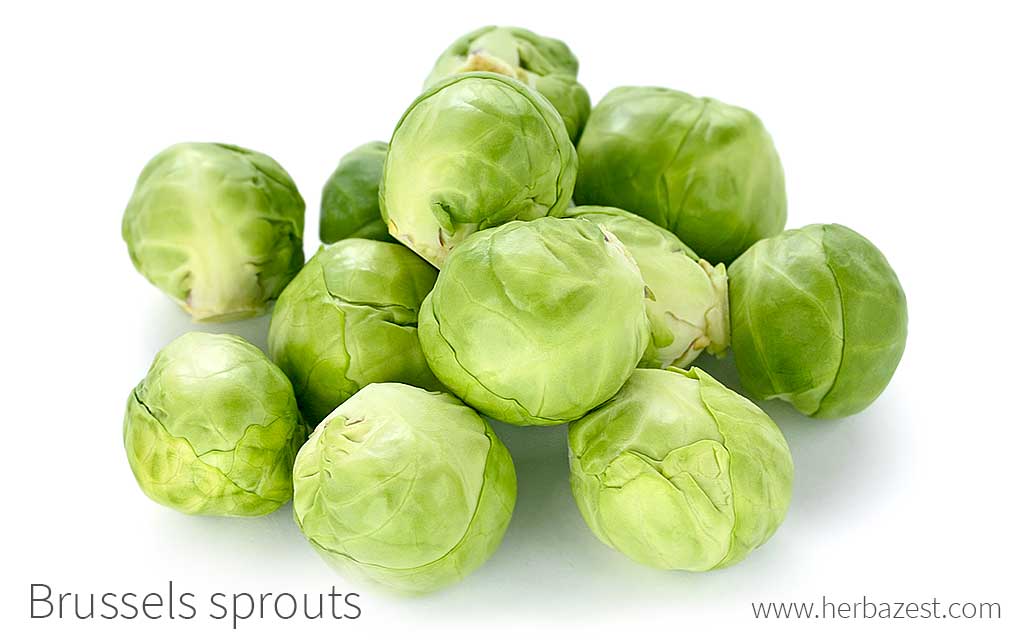
Brussels sprouts have been a staple in the European diet for centuries. With a cabbage-like appearance, these small vegetables have graced tables and captured the attention of modern scientists due to their nutrient-rich profile and potential for preventing and treating common diseases.
Brussels Sprout Medicinal Properties
- Medicinal action Anti-inflammatory, Prebiotic
- Key constituents Glucosinolates, isothiocyanates, myrosinase, flavonoids, phenolic acids
- Ways to use Capsules, Liquid extracts, Food
- Medicinal rating (1) Very minor uses
- Safety ranking Safe
Health Benefits of Brussels Sprouts
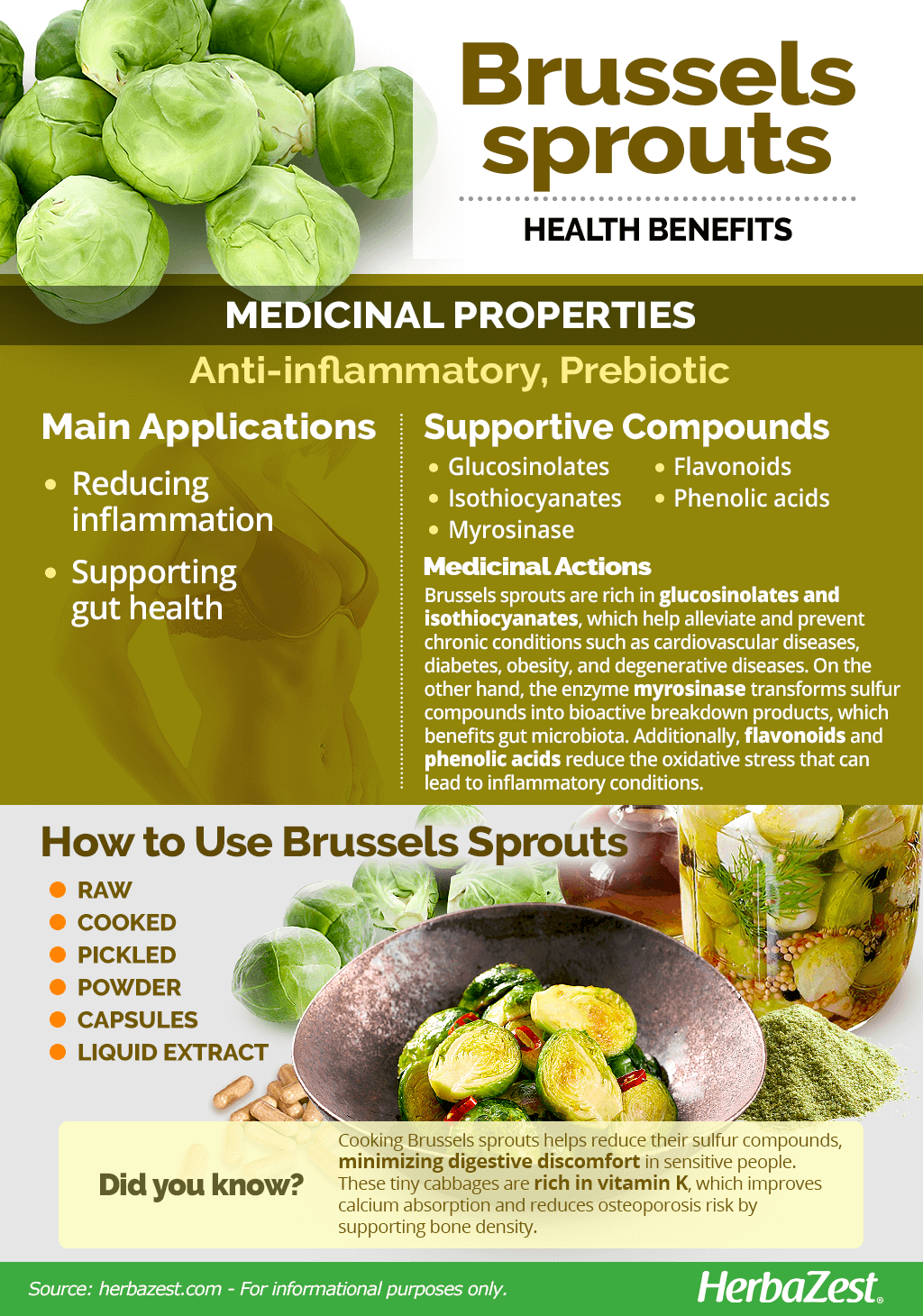
Brussels sprouts have many traditional uses in folk medicine, but only recently have they become the subject of scientific studies investigating these applications. Research suggests that Brussels sprouts' health benefits include:
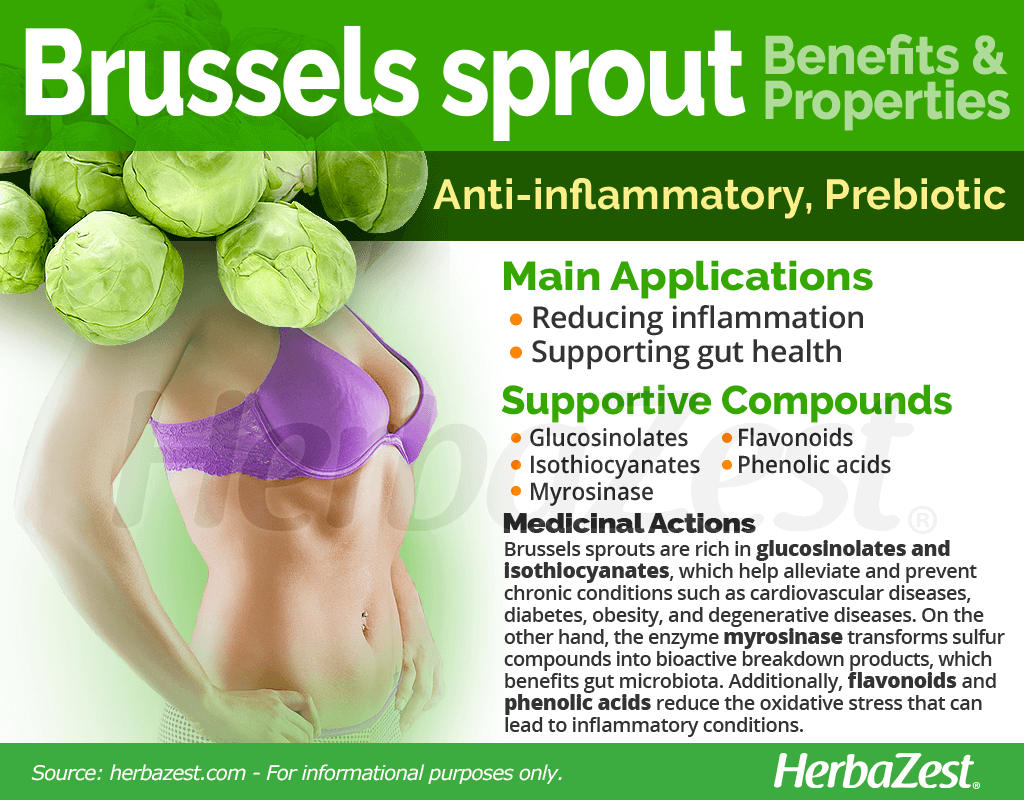
Reducing inflammation. Brussels sprouts are packed with antioxidant compounds that help neutralize free radicals in the body.1 This supports cell health, reduces inflammation, and may lower the risk of chronic diseases such as heart disease, diabetes, and obesity.
Supporting gut health. Thanks to their generous amounts of dietary fiber, Brussels sprouts promote healthy digestion and regular bowel movements. Fiber also supports gut health by feeding beneficial bacteria and can help manage blood sugar levels.
Additional benefits of Brussels sprouts include:
Promoting immune health. Brussels sprouts are an excellent source of vitamin C, essential for strengthening the immune system. This vitamin also supports collagen production, which is crucial for maintaining skin health and promoting wound healing.
Strengthening bones. These tiny cabbages contain vitamin K, crucial for bone health. Vitamin K helps improve calcium absorption and reduces the risk of osteoporosis by supporting bone density.
How It Works
Brussels sprouts are rich in several bioactive compounds. Glucosinolates and isothiocyanates (ITCs) are sulfur-containing compounds with strong anti-inflammatory properties that have been shown to enhance the expression of antioxidant and anti-inflammatory genes. They also reduce cytokines, which are involved in processes such as growth, development, inflammation, and immune responses. Together, these sulfur compounds help modulate oxidative stress and inflammation that can lead to chronic conditions, such as cardiovascular diseases, diabetes, obesity, and degenerative diseases.2
When Brussels sprouts are cooked and consumed, the enzyme myrosinase converts sulfur compounds into bioactive breakdown products that benefit the microbiota. Studies confirm that adding cruciferous vegetables to the diet promotes changes in gut bacterial composition.3,4
Brussels sprouts are also abundant in flavonoids and phenolic acids, both of which protect cells from free radical damage and reduce the oxidative stress that can trigger inflammatory conditions.
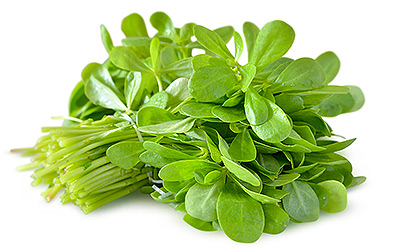
Beetroot, broccoli, fava beans, and radish are also known for their anti-inflammatory and immunoprotective properties, while arugula, buckwheat, peas, and pistachios support digestive health.
Brussels Sprout Side Effects
Brussels sprouts are generally safe to consume as part of a healthy diet. However, like other cruciferous vegetables, they are high in raffinose, a complex carbohydrate that can be difficult for some people to digest. As it ferments in the colon, raffinose can cause gas and bloating. Cooking them thoroughly can reduce raffinose content.
Because they are fiber-rich, excessive consumption can cause loose stools or diarrhea in sensitive individuals.
Although rare, some individuals may experience symptoms such as itching, swelling, or difficulty breathing.
Cautions
The goitrogenic compounds (e.g., glucosinolates) in Brussels sprouts can interfere with iodine uptake and thyroid hormone production if consumed in large quantities. Individuals with hypothyroidism or iodine deficiency, as well as those taking thyroid medications, should consume Brussels sprouts in moderation or avoid them altogether.
Brussels sprouts are high in FODMAPs (fermentable oligosaccharides, disaccharides, monosaccharides, and polyols), which can trigger symptoms in people with irritable bowel syndrome (IBS).
Due to their high vitamin K content, excessive consumption of Brussels sprouts may interfere with anticoagulant medications (e.g., warfarin), reducing their effectiveness and potentially increasing the risk of blood clots.
Additionally, Brussels sprouts may lower blood sugar levels, potentially enhancing the effect of diabetes medications and increasing the risk of hypoglycemia.
Brussels Sprout Nutrition
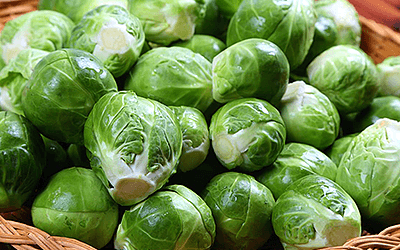
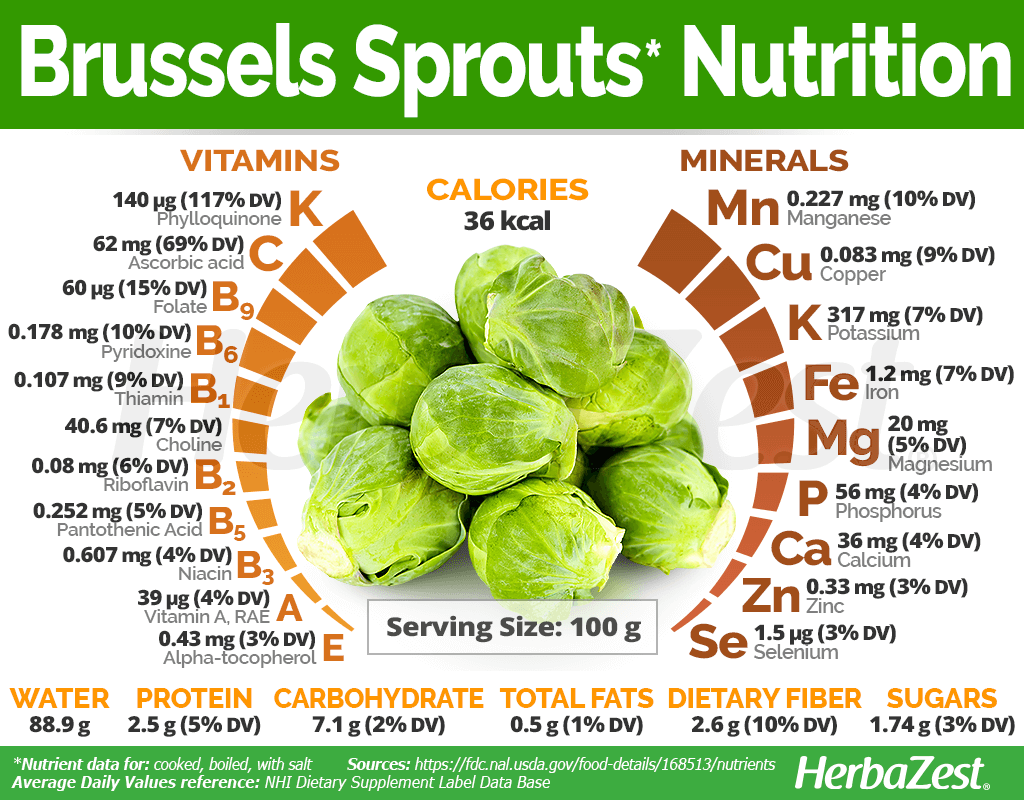
Brussels sprouts have a remarkable nutritional profile. These tiny crucifers are a good source of dietary fiber, plant-based protein, and other essential nutrients.
The most important minerals in Brussels sprouts are manganese, copper, potassium, iron, and magnesium. Manganese supports hormone production, immune response, bone and connective tissue health, blood sugar regulation, and fat and carbohydrate metabolism; copper plays a crucial role in healthy bones, red blood cells production, iron absorption, the health of blood vessels, nerves, and the immune system; potassium is necessary for muscle contraction, fluid balance, and nervous signaling; iron is an essential part of hemoglobin, the red blood cell protein responsible for oxygen transport throughout the body. It is also important for tissue regeneration, muscle function and immunity; finally, magnesium supports muscle and nerve blood sugar regulation.
Brussels sprouts also provide smaller amounts of calcium, phosphorus, zinc, and selenium.
Their vitamin content is equally impressive. Vitamin C (ascorbic acid) supports iron absorption, collagen production, and immune function, while vitamin K (phylloquinone) aids in blood clotting, brain health, and bone strength. B vitamins contribute to energy production, growth and development, cell repair, nervous system function, and immunity.
Choline, also found in good amounts, is essential for producing acetylcholine, a neurotransmitter involved in memory, mood, and cognitive performance. Small amounts of vitamins A and E further enhance their nutritional value.
100 GRAMS OF BOILED, UNSALTED BRUSSELS SPROUTS PROVIDE 36 CALORIES, 5% DV OF PLANT-BASED PROTEIN, 2% DV OF COMPLEX CARBOHYDRATES, AND 10% DV OF DIETARY FIBER.
How to Consume Brussels Sprout
- Edible parts Leaves, Stem
- Taste Pungent
Natural Forms
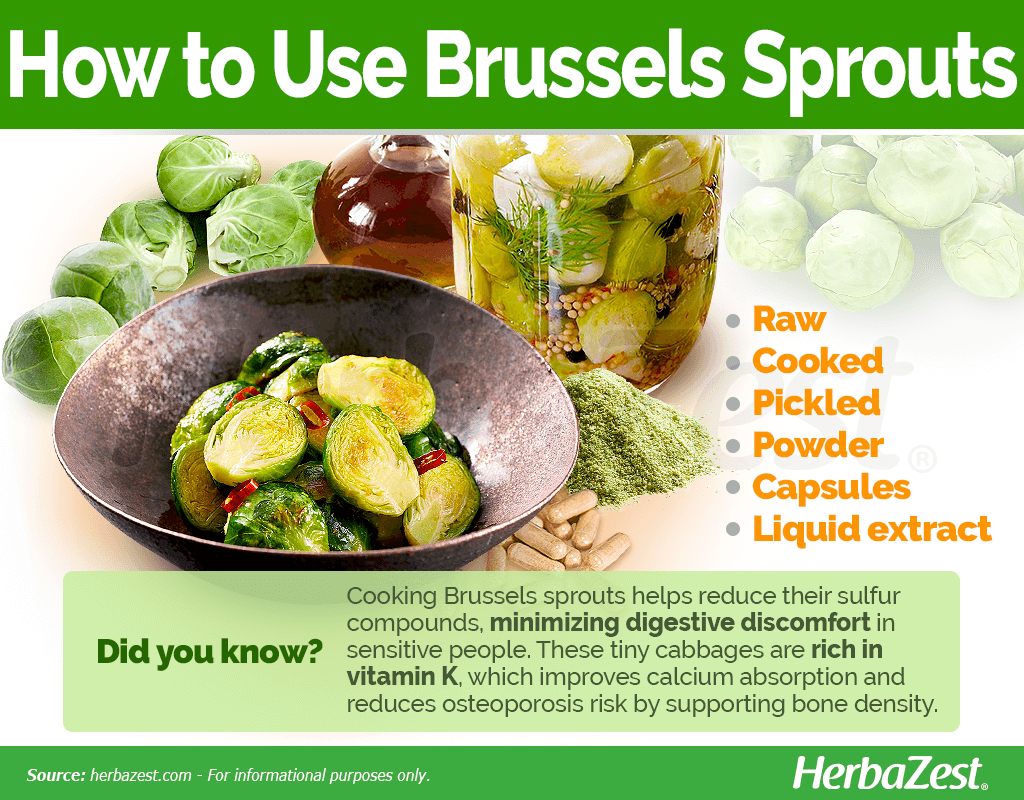
Raw. Raw Brussels sprouts offer a crisp texture and can be a great addition to salads, slaws, or sandwiches. Eating them raw ensures a higher intake of vitamin C and fiber. However, they must be washed thoroughly, as they can harbor harmful bacteria. Raw cruciferous vegetables can cause digestive discomfort, like gas or bloating, in some individuals.
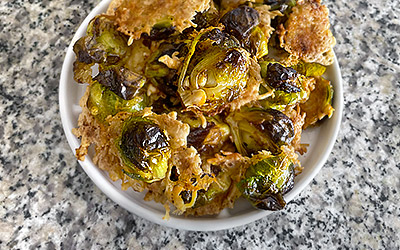
Cooked. Brussels sprouts can be boiled, steamed, blanched, roasted, or sautéed to enjoy their nutritional content and health benefits. Cooking helps reduce their sulfur compounds, which can minimize digestive discomfort in sensitive people.
Pickled. In this form, Brussels sprouts have a longer shelf life and retain most of their health benefits, along with fiber and vitamins.
Powder. Brussels sprouts powder provides an easy and versatile way to consume these vegetables. With a milder flavor compared to fresh sprouts, it can be mixed into smoothies, juices, and savory recipes.
Herbal Remedies & Supplements
Capsules. Brussels sprout capsules are rich in antioxidants. They are taken orally to support digestion, prevent scurvy, promote wound healing, and as a preventive measure against cardiovascular and degenerative diseases.
Liquid extract. A potent concentrate rich in bioactive compounds such as glucosinolates and kaempferol, Brussel sprout extract is widely used in skincare and haircare formulations.
Growing
- Life cycle Annual
- Light requirements Full sun
- Soil Peaty, Well-drained
- Soil pH 6.1 – 6.5 (Slightly acidic), 6.6 – 7.3 (Neutral)
- Growing habitat Cool temperate regions
- USDA Plant Hardiness Zones 2a, 2b, 3a, 3b, 4a, 4b, 5a, 5b, 6a, 6b, 7a, 7b, 8a, 8b, 9a, 9b, 10a, 10b, 11a, 11b
- Planting time Early spring, Fall
- Plant spacing average 0.3 m (0.98 ft)
- Growing time 95-100 days
- Potential insect pests Aphids, Moths, Slugs, Cabbage loopers, Flea beetles, Snails
- Potential diseases Leaf spot, Black rot, Club root
Brussels sprouts are biennials but are usually treated as annuals. These hardy, cool-season vegetables are fairly easy to cultivate. With proper moisture, fertile soil, moderate temperatures, and dull sun, they can thrive in a home garden.
Brussels sprouts are a cold-weather cultivar derived from wild cabbage, which explains their appearance.
Growing Guidelines
- Gardening tip
Planting different types of vegetables together can help reduce pests and diseases.
Brussels sprouts tolerate a wide range of soils but prefer fertile, well-drained mixtures that are rich in organic matter, with a pH of 6.2 to 6.8.
Plant Brussels sprouts seeds 1/4 to ½ inch (0.6-1.27 cm) deep, 15 to 18 in (38 - 56 cm) apart in rows, with about 30 in (76 cm) of separation between rows.
Like other vegetables in the cabbage family, Brussels sprouts require full sun and water at least once a week.
They tolerate low temperatures and can be grown in the fall and early spring. It can take 95 to 100 days for plants to mature and produce edible buds.
They are susceptible to Alternaria leaf spot, black rot, blackleg, and clubroot.
Common pests include aphids, flea beetles, slugs, snails, moths, and cabbage loopers.
Additional Information
- Other uses Paper, Cosmetics
Plant Biology
Brussels sprouts are a cold-weather cultivar derived from wild cabbage, hence their appearance. The unbranched stem of the plant can reach up to 30-47 inches (76-120 cm), and alternate leaves that can be broad and simple or grow as small lobes directly from the base of the plant. Flowers are yellow, about 0.6-0.8 inches (1,5-2 cm) long, with four petals, and bloom during the second and final year of this biennial crop. Seeds are about 0.01 inches (1,5-2 mm) in diameter. The small cabbage-like buds, sized 1 to 1.5 inches (2.5-3 cm), grow from the base of the leaves, very close to the stem.
Classification
Brussels sprout is a member of the Brassicaceae family. This group includes over 4,000 accepted species. Other popular cruciferous vegetables in the family are arugula, broccoli, cauliflower, kale, and radish.
Cultivars
After centuries of hybridization, Brussels sprouts are available in over 20 cultivars, varying in their flavor, disease resistance, climate adaptability, color, and size.
Historical Information
While their name suggests they are from Brussels (Belgium's capital city), their exact origin is still unknown. However, these tiny cabbage relatives were first cultivated and became popular in Belgium during the 16th century. From the beginning, opinions about them were divided; some despised their flavor, while others appreciated their taste and benefits.
It took time for Brussels sprouts to gain wider acceptance. Growing instructions appeared in an 18th-century gardening book, but they did not reach the United States until the 1800s, and recipes did not appear in cookbooks until the 19th century.
Economic Data
Nowadays, Brussels sprouts are commercially cultivated on both sides of the Atlantic. Mexico is currently the major exporter of these small cruciferous vegetables, with 85,600 US tons (77,655 metric tons) of gross exports in 2023, followed by Netherlands with 50,132 US tons (45,479 metric tons), United States with 25,881 US tons (23,479 metric tons), and the European Union with 6,791 US tons (6,160 metric tons).
Other Uses
Industrial. The compounds and fiber in Brussels sprouts have been utilized in various industries. Fiber is used to enhance the durability and strength of paper, while plant extracts are incorporated into skincare and haircare products.
Controversial from the start, Brussels sprouts have legions of lovers and haters around the globe. What remains indisputable is their great nutritional value and unique health benefits, all strong reasons to add these cruciferous vegetables to a balanced diet.
Sources
- Agricultural and Food Science, The in vitro digestates from Brussels sprouts processed with various hydrothermal treatments affect the intestinal epithelial cell differentiation, mitochondrial polarization and glutathione level, 2023
- BMC Medicine, Cruciferous vegetables lower blood pressure in adults with mildly elevated blood pressure in a randomized, controlled, crossover trial: the VEgetableS for vaScular hEaLth (VESSEL) study, 2024
- Current Research in Food Science, Brassicaceae microgreens: A novel and promissory source of sustainable bioactive compounds, 2023
- Discover Food, Health-related compound profile of Brussels sprouts plants (Brassica oleracea var. gemmifera), 2025
- FoodData Central, Brussels sprouts, cooked, boiled, drained, with salt, 2018
- Government of South Africa, Department of Agriculture, Forestry and Fisheries. Brussels sprouts, production guideline, 2012
- Hamilton College, Community Farm. Brussels Sprout, n/d
- Iranian Journal of Basic Medical Sciences, Flavonoid-rich foods (FRF): A promising nutraceutical approach against lifespan-shortening diseases, 2020
- Journal of the Science of Food and Agriculture, Glucosinolates in brassica vegetables. Analysis of 22 varieties of brussels sprout (Brassica oleracea var. gemmifera), 1980
- Medlineplus, Healthy food trends - Brussels sprouts n/d
- Nutrients, Interplay between Cruciferous Vegetables and the Gut Microbiome: A Multi-Omic Approach, 2022
- Preventive Nutrition and Food Science, Influence of Cooking Methods on Bioactive Compound Content and Antioxidant Activity of Brussels Sprouts, 2017
- The British Journal of Nutrition, Cruciferous vegetable intake is inversely associated with extensive abdominal aortic calcification in elderly women: a cross-sectional study, 2020
- University of Minnesota, Extension - Growing Brussels sprouts in home gardens
Footnotes:
- Molecular Nutrition & Food Research. (2008). Consumption of Brussels sprouts protects peripheral human lymphocytes against 2-amino-1-methyl-6-phenylimidazo[4,5-b] pyridine (PhIP) and oxidative DNA-damage: results of a controlled human intervention trial. Retrieved June 24, 2025, from: https://pubmed.ncbi.nlm.nih.gov/18293303/
- Foods. (2025). Glucosinolates in Human Health: Metabolic Pathways, Bioavailability, and Potential in Chronic Disease Prevention. Retrieved June 24, 2025, from: https://www.mdpi.com/2304-8158/14/6/912
- Journal of Nutrition. (2009). Human Gut Bacterial Communities Are Altered by Addition of Cruciferous Vegetables to a Controlled Fruit- and Vegetable-Free Diet. Retrieved June 24, 2025, from: https://pmc.ncbi.nlm.nih.gov/articles/PMC2728691/
- Microbiological Research. (2025). Brassica microgreens shape gut microbiota and functional metabolite profiles in a species-related manner: A multi-omics approach following in vitro gastrointestinal digestion and large intestine fermentation. Retrieved June 24, 2025, from: https://www.sciencedirect.com/science/article/pii/S094450132500182X