
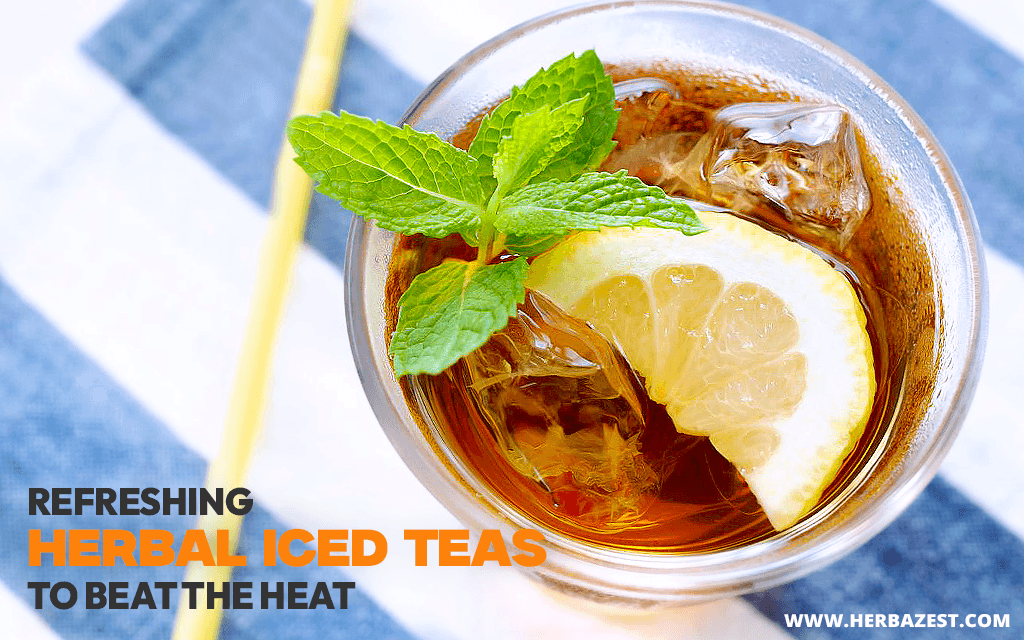
When summer temperatures rise, few things feel as satisfying as a tall glass of herbal iced tea. Beyond simple refreshment, herbal teas offer natural flavor, beautiful aromas, and a host of wellness benefits. Free from caffeine and added sugars, they are a healthier alternative to many commercial cold drinks and an easy way to stay cool, hydrated, and nourished during the warmer months. Their varied flavor profiles make them ideal for warm-weather sipping.
Why Herbal Teas Are Perfect for Summer
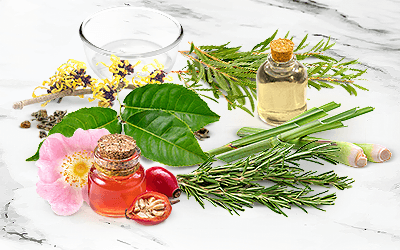
Herbal teas are made from fruits, leaves, flowers, seeds, roots, or bark of plants other than the true tea plant, Camellia sinensis.
They are naturally caffeine-free and can be enjoyed at any time of day, both hot and cold. Many herbs have inherent cooling properties, thanks to their volatile oils and aromatic compounds.
Most Popular Herbs for Iced Tea
A handful of herbs stand out for their fresh taste, wellness benefits, and cooling effects, particularly enjoyable during hot summer months:
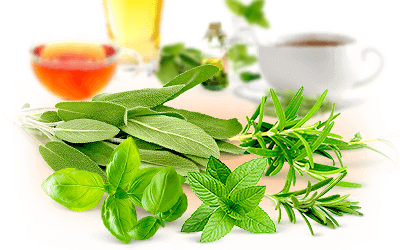
Peppermint. Cool and invigorating, peppermint's natural menthol provides a refreshing lift and gentle digestive support.
Lemon verbena. Known for its bright, citrusy notes, it's the perfect summer iced tea. As an added benefit, lemon verbena may improve sleep quality and promote gastrointestinal comfort.1
Hibiscus. Known for its bold, tart flavor and vibrant ruby color, hibiscus is rich in anthocyanins. Research has shown that hibiscus supports heart health by regulating blood pressure and lipids.2
Lemongrass. Citrusy and crisp, lemongrass offers mild digestive support and a refreshing finish that pairs well with ginger and mint.
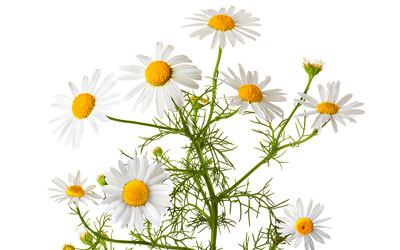
Chamomile. Gentle and slightly sweet, chamomile calms the nervous system and supports restful sleep.
Lemon balm. Studies have shown that lemon balm benefits mood and cognition, making it a great option for unwinding in the summer afternoon.3
Muña. This minty Andean herb traditionally used for digestion and altitude discomfort has cool, peppery notes that brighten iced blends.
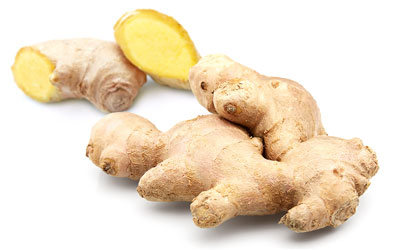
Ginger. Zesty and aromatic, ginger adds lively spice to summer iced tea and supports digestion without overpowering the blend.
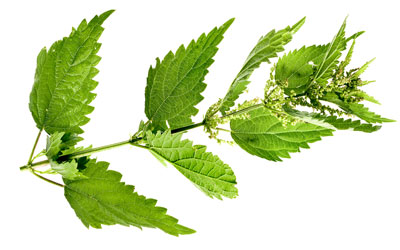
Nettle. Earthy and mineral-rich, nettle blends well with citrus or mint. As an added benefit, research suggests nettle may ease allergic rhinitis symptoms, which are common in spring and summer.4
Rosehip. Tart and fruity, rosehip is rich in vitamin C and antioxidants. Its bright flavor adds a refreshing boost to summer iced tea blends.
Brewing Tips for the Best Herbal Iced Tea
There are two main approaches to brewing herbal iced tea:
Hot Brew & Chill. Steep herbs in hot water (typically 5-10 minutes, depending on the herb), allow cool to room temperature, then refrigerate.
Cold Brew. Steep herbs in cold water in the refrigerator for 6-12 hours. This method yields a smoother, less bitter flavor.
Use filtered water for the cleanest taste, and experiment with herb combinations to suit your flavor preferences. While tea bags may seem like a more practical option, loose-leaf herbal teas deliver fresher ingredients, richer flavor, and greater control over brewing strength and blend.
Easy and Flavorful Herbal Iced Tea Combinations
Here are a few simple blends of herbal teas to beat the heat, all refreshing and easy to prepare:
- Hibiscus, mint, and orange peel: Tart, cooling, and citrusy
- Lemon balm, chamomile, and fresh ginger: Soothing and slightly spicy
- Lemon verbena, peppermint, and cucumber slices: Bright and hydrating
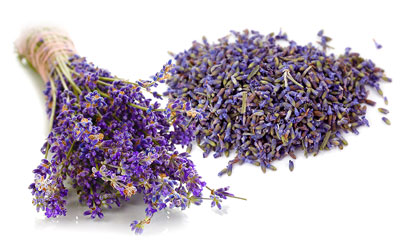
- Lavender, rose, and lemon: Floral and uplifting
- Nettle, lemongrass, and lime slices: Crisp and earthy with a citrus twist
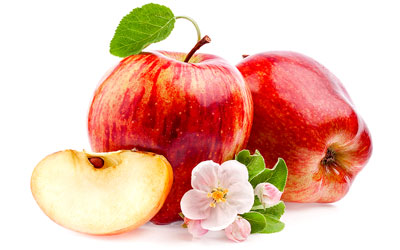
- Muña, rosehip, and apple slices: Fruity with a refreshing minty finish
- Hibiscus, ginger, and pineapple chunks: Bold, zesty, and tropical
Finishing Touches
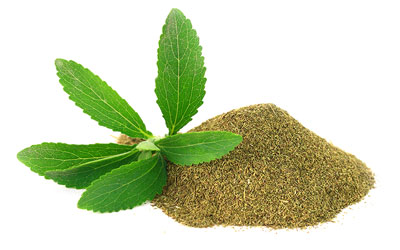
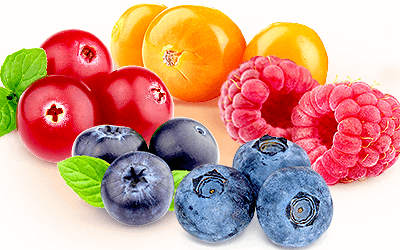
Though many herbs offer naturally sweet or tangy notes on their own, each blend can be slightly sweetened with honey, stevia, or date syrup added while still warm. Adding fruit purées (e.g., mango or strawberries), fresh citrus juice, or coconut water adds extra flavor, natural sweetness, antioxidants, and electrolytes.
Herbal iced teas are more than a summer indulgence. They are a hydrating, flavorful, and healthful way to beat the heat while nourishing your body. Whether you enjoy them solo or mixed with fruits, herbal teas bring the beauty of plants to your glass, cool, calming, and delicious.
Sources
- Harvard Health Publications, The health benefits of 3 herbal teas, n.d.
- Nutrients, Role of Herbal Teas in Regulating Cellular Homeostasis and Autophagy and Their Implications in Regulating Overall Health, 2021
- University of California, Garden Iced Tea for Hot Days, 2024
- University of Connecticut, Beat the Summer Heat with Healthy Glass of Iced Tea, 2020
Footnotes:
- Nutrients. (2024). Dietary Supplementation with an Extract of Aloysia citrodora (Lemon verbena) Improves Sleep Quality in Healthy Subjects: A Randomized Double-Blind Controlled Study. Retrieved August 5, 2025, from https://pubmed.ncbi.nlm.nih.gov/38794761/
- Nutrition Reviews. (2022). A systematic review and meta-analysis of the effects of Hibiscus sabdariffa on blood pressure and cardiometabolic markers. Retrieved August 5, 2025, from https://pubmed.ncbi.nlm.nih.gov/34927694/
- Nutrients. (2014). Effects of lemon Balm-Containing Foods. Retrieved August 5, 2025, from https://pubmed.ncbi.nlm.nih.gov/25360512/
- Molecules. (2024). Evaluation of Urtica dioica Phytochemicals against Therapeutic Targets of Allergic Rhinitis Using Computational Studies. Retrieved August 5, 2025, from https://www.mdpi.com/1420-3049/29/8/1765