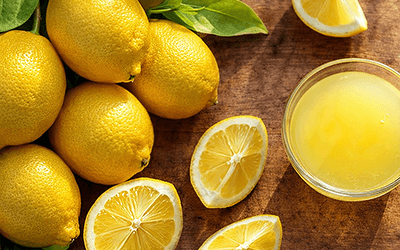
Heart health is closely linked to arterial flexibility, which allows blood to flow smoothly with each heartbeat. Diet can play an important role in maintaining healthy arteries. Long-term studies have associated regular citrus consumption, particularly Satsuma mandarins, with lower cardiovascular risk, possibly due to their high levels of beta-cryptoxanthin.1 However, despite these observational findings, relatively few controlled human trials have examined whether Satsuma mandarin consumption influences arterial health markers.
The Study
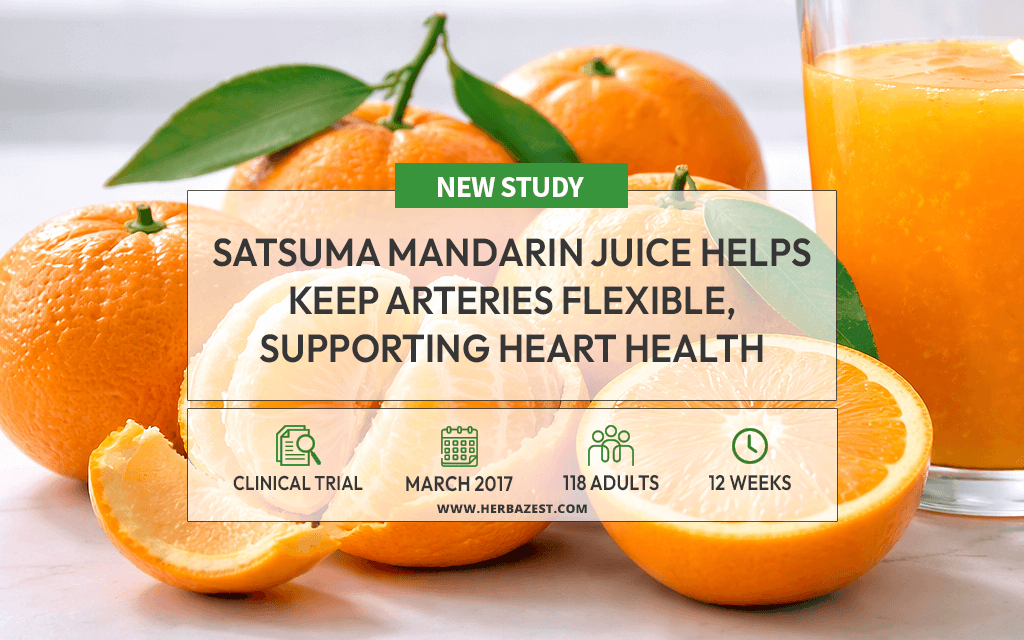
This randomized, double-blind, placebo-controlled trial included 118 healthy adult men and women in Japan. Participants were assigned to consume one daily serving of Satsuma mandarin juice for 12 weeks.
One group received juice naturally rich in beta-cryptoxanthin, while the control group consumed an otherwise identical mandarin juice without beta-cryptoxanthin. Both beverages provided the same calories and flavor, helping isolate the effects of the fruit's natural compounds.
Researchers measured brachial-ankle pulse wave velocity, a standard indicator of arterial stiffness, along with blood markers of oxidative stress. Participants were also evaluated again eight months after the intervention ended.
The Results
After 12 weeks, arterial stiffness decreased in both groups, suggesting that regular Satsuma mandarin juice consumption supported arterial flexibility in healthy adults. Markers of oxidative stress also declined during the intervention.
Blood levels of beta-cryptoxanthin rose significantly in the enriched group, but this did not lead to greater short-term improvements in arterial stiffness compared with standard mandarin juice.
At the eight-month follow-up, arterial stiffness had increased again in both groups, as expected over time. However, the increase was smaller in those who had consumed the beta-cryptoxanthin-rich juice, suggesting a possible longer-term benefit.
What Does this Mean?
These findings suggest that regular consumption of Satsuma mandarin juice may support heart health by improving arterial flexibility. The results also indicate that the benefit likely comes from the whole fruit rather than from additional supplementation of a single compound.
Arterial flexibility reflects how well the cardiovascular system adapts to daily demands. Supporting it through diet is a practical way to promote long-term heart health.
Other plant foods traditionally associated with similar antioxidant and vascular-supporting properties include green tea, hibiscus, and rosemary.
Sources
- Journal of Nutrition & Intermediary Metabolism, Effect of b-cryptoxanthinerich Satsuma mandarin juice supplementation on pulse wave velocity: A randomized controlled trial, 2017
Footnotes:
- Journal of Epidemiology. (2011). Frequency of Citrus Fruit Intake Is Associated With the Incidence of Cardiovascular Disease: The Jichi Medical School Cohort Study. Retrieved March 12, 2026, from https://pmc.ncbi.nlm.nih.gov/articles/PMC3899405