Athletic performance is shaped not only by training intensity, but also by how well the body recovers from repeated physical stress. Nutrition plays a central role in this balance, especially for athletes exposed to frequent muscle fatigue and inflammation.1
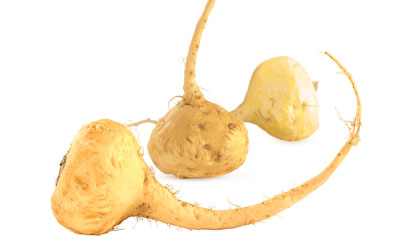
In recent years, black maca, a Peruvian root traditionally consumed at high altitudes, has gained attention for its potential to support stamina, strength, and recovery. While earlier studies focused mainly on athletes, fewer have explored whether its effects extend beyond trained individuals.
The Study
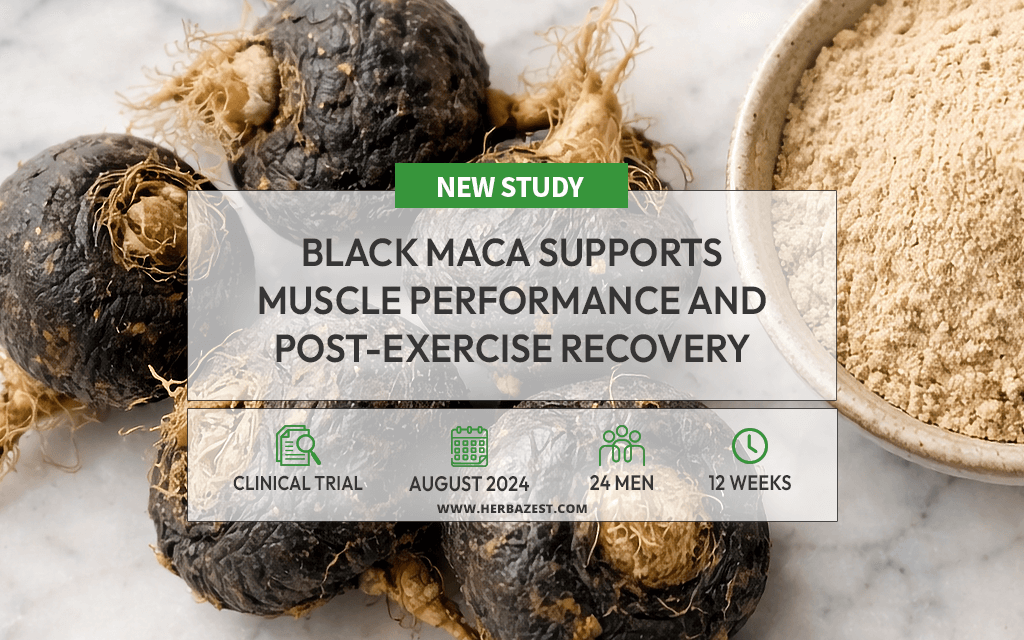
This 12-week clinical study examined the effects of maca supplementation on muscle function and inflammatory markers in both athletes and non-athletes. Twenty-four adult men participated: 16 elite athletes (soft tennis and table tennis players) and 8 non-athletes (university students). All participants consumed 2.5 g of concentrated black maca extract daily, taken in capsule form.
Researchers assessed physical fitness and isokinetic trunk muscle function at the start and end of the study. Blood samples were also collected to measure inflammatory markers, specifically interleukin-6 (IL-6) and tumor necrosis factor-alpha (TNF-α), both associated with exercise-induced inflammation and muscle fatigue.
The Results
After 12 weeks, significant improvements in isokinetic muscle strength were observed across all groups, including non-athletes.
However, reductions in inflammatory markers were seen only in the athlete groups. Both soft tennis and table tennis players experienced meaningful decreases in IL-6 and TNF-α, suggesting improved inflammatory balance. General physical fitness measures showed limited change, with modest gains in select strength and power tests among athletes.
What Does this Mean?
These findings suggest that black maca supports muscle function broadly, with its anti-inflammatory benefits appearing most pronounced in individuals who train regularly. For athletes, this combination may help reduce muscle fatigue and support recovery during intense or repetitive training cycles. For non-athletes, improvements in muscle function alone indicate potential value when paired with consistent physical activity.
It's important to note that maca's benefits for exercise performance seem to complement training rather than replace it. When combined with regular exercise, black maca may help the body adapt more efficiently to physical stress.
Other plants traditionally used to support performance and recovery include ginseng, ashwagandha, and rhodiola, each offering distinct adaptogenic properties.
Sources
- Applied Sciences, Effects of Black Maca Supplementation on Isokinetic Muscle Function and Inflammation in Elite Athletes and Non-Athletes, 2024
Footnotes:
- Frontiers in Nutrition. (2024). Athletes' nutritional demands: a narrative review of nutritional requirements. Retrieved February 24, 2026, from https://pmc.ncbi.nlm.nih.gov/articles/PMC10848936