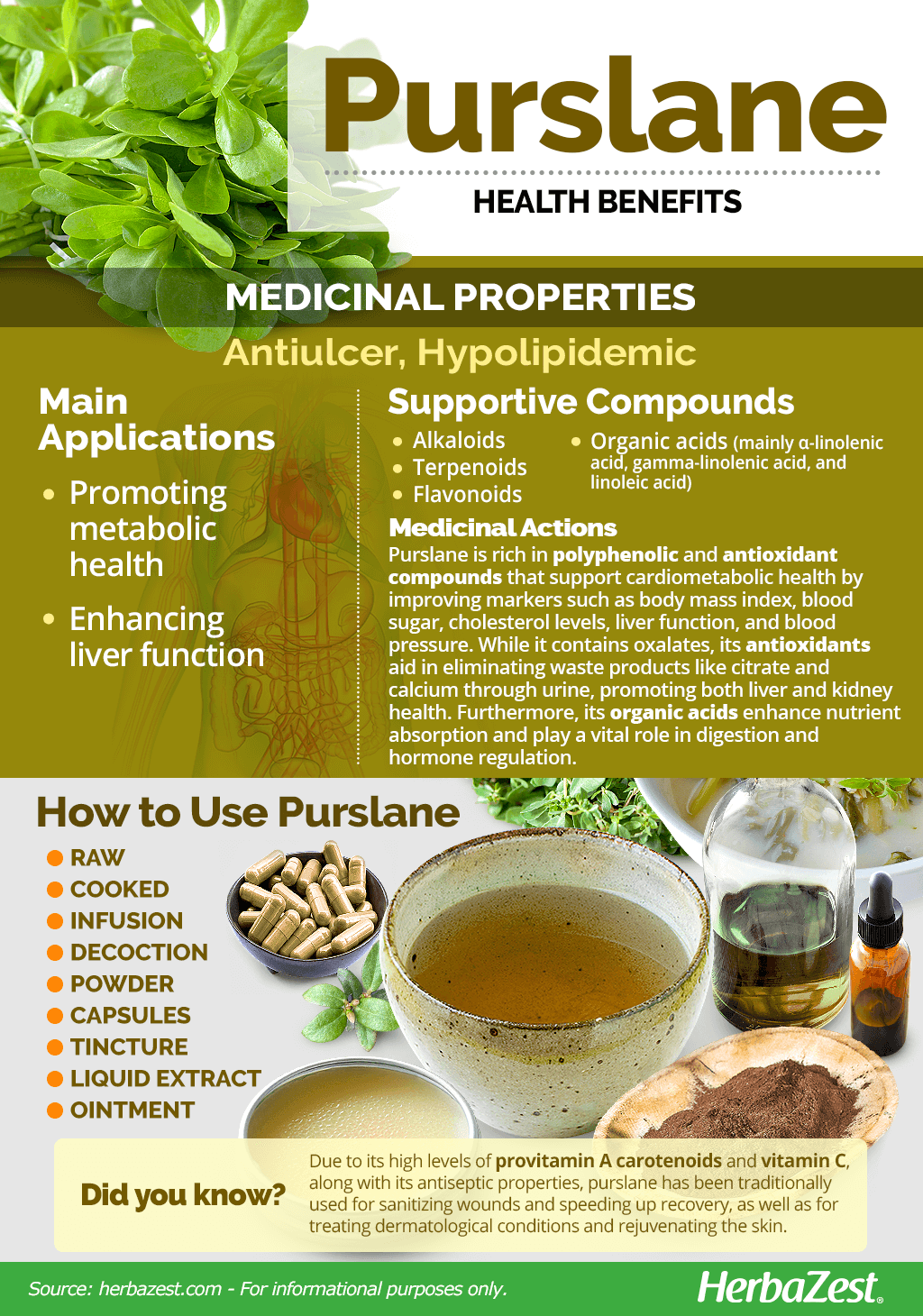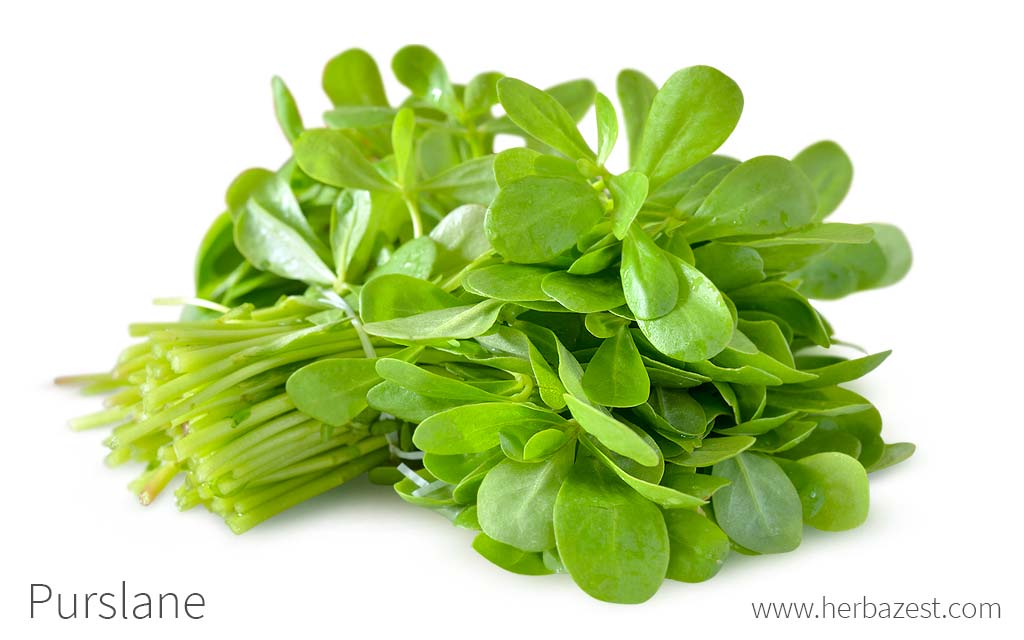
Purslane, also known as verdolaga, little hogweed, pigweed, and wild portulaca, is a resilient plant with a rich history. Believed to originate from India and the Middle East, it has spread across the globe, often regarded as an invasive weed. Despite this, its impressive nutritional profile and health benefits rival those of other dark leafy greens, supporting its cultivation for over 4,000 years.
Purslane Medicinal Properties
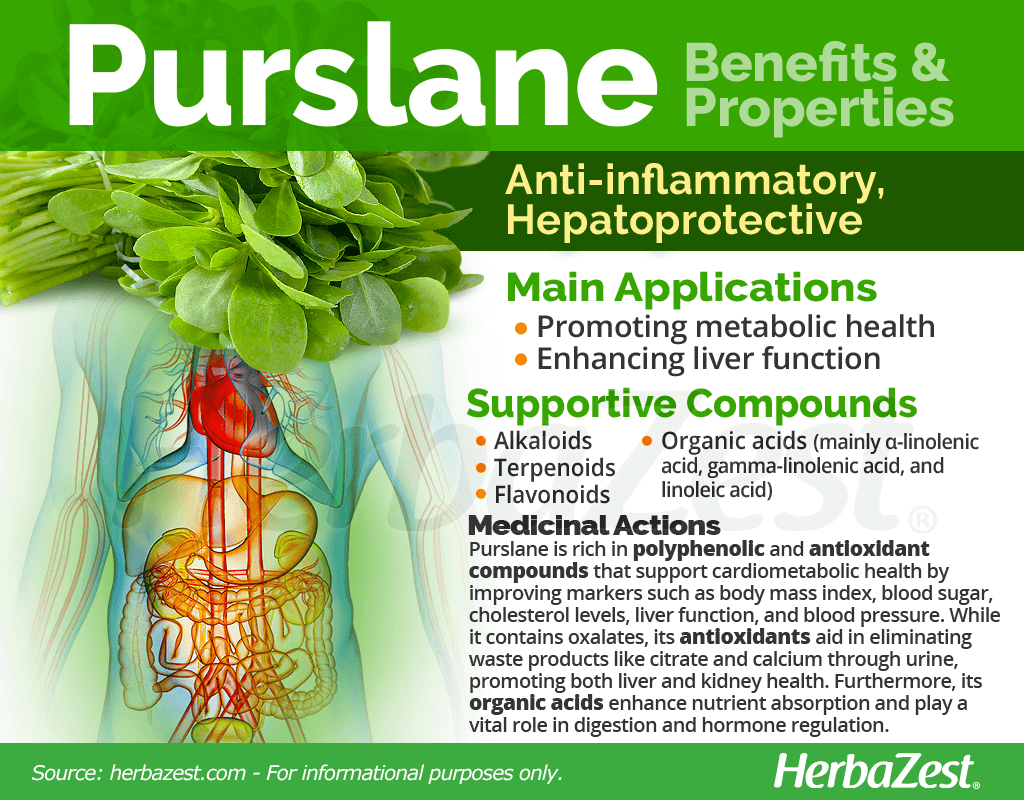
- Medicinal action Hepatoprotective, Hypolipidemic
- Key constituents Alkaloids, terpenoids, flavonoids, organic acids
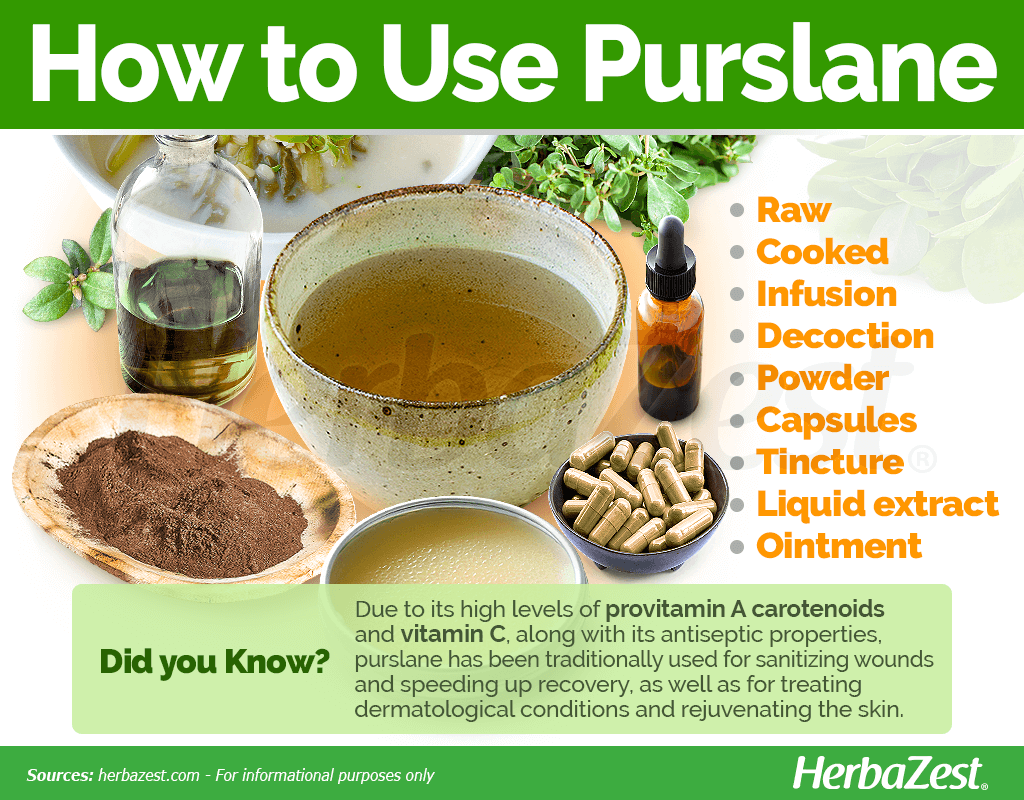
- Ways to use Capsules, Decoctions, Hot infusions/tisanes, Liquid extracts, Food, Tincture, Powder, Ointment
- Medicinal rating (2) Minorly useful plant
- Safety ranking Use with caution
Health Benefits of Purslane
Purslane has been utilized in folk medicine for thousands of years, and it is even included in the World Health Organization's list of most widely used traditional plants.
Scientific research suggests that purslane may be beneficial mainly for:
Promoting metabolic health. Purslane has been shown to improve markers of metabolic risk, including insulin resistance, glucose levels, and lipid profile.1,2
Enhancing liver function. Rich in phenolic compounds and carotenoids, purslane is highly effective in reducing and preventing liver damage.3
Additional benefits of purslane include:
Supporting kidney function. Studies have shown that purslane can be effective in preventing kidney stones by increasing the removal of harmful substances through urine.4
Protecting skin health. The antioxidant compounds of purslane help fight cellular damage caused by free radicals. Its main anti-aging benefits include promoting collagen production and speeding up skin healing.
THE USE OF PURSLANE FOR TREATING ABNORMAL UTERINE BLEEDING (AUB) IN IRANIAN FOLK MEDICINE HAS BEEN VALIDATED BY SOME SCIENTIFIC STUDIES.5
How It Works
Despite being a generally underrated herb, purslane has long been the subject of scientific research, mainly due to its rich variety of secondary metabolites, including alkaloids, terpenoids, flavonoids, and organic acids.
While purslane's ethanolic extracts have shown significant analgesic and anti-inflammatory effects, the polyphenolic and antioxidant compounds in purslane powder have been suggested to improve fat metabolism, thus helping reduce total cholesterol and triglycerides.2
On the other hand, purslane supplementation has been shown to have antioxidant, anti-inflammatory, and hepatoprotective effects, not only helping reduce waist circumference, but also improving protective liver enzymes, as well as blood sugar levels and blood pressure in patients with Non-alcoholic fatty liver disease (NAFLD).3
Purslane powder has been successfully tested as a preventative treatment for kidney stones. It has been shown to significantly increase urine citrate levels and decrease urine calcium levels, which are common risk factors for nephrolithiasis.4
A high concentration of omega-3 fatty acids, particularly α-linolenic acid, gamma-linolenic acid, and linoleic acid, makes purslane a valuable herb for enhancing nutrient absorption and digestion, as well as for improving cellular and hormone function.
Herbs like cinnamon, garlic, fenugreek, and turmeric are known for their ability to support metabolic health, while boldo, chicory, dandelion, and milk thistle are commonly used to promote liver health.
Purslane Side Effects
Purslane is most likely safe when eaten in normal, recommended amounts. However, purslane contains oxalates and nitrates, and should not be overconsumed in its raw state.
While it has been shown that purslane can be effective in preventing kidney stones, its oxalate content, on the other hand, can promote the development of calcium oxalate crystals, the most common component of kidney stones. For this reason, purslane must be consumed in moderation. Additionally, oxalic acid binds to calcium, preventing its absorption in the body.
Nitrates, on the other hand, have an indirect effect on human health because they are first transformed by the body into nitrites and then into nitrosamines, which are carcinogenic compounds. When purslane leaves are frozen or boiled, their levels of nitrate and nitrite are reduced, making the herb safer for consumption.
Purslane Cautions
Individuals with a history of kidney stones or those who are susceptible to forming them should moderate their consumption. Boiling, blanching, or steaming purslane leaves, then discarding the cooking water, can significantly reduce their oxalate content.
Purslane Nutrition
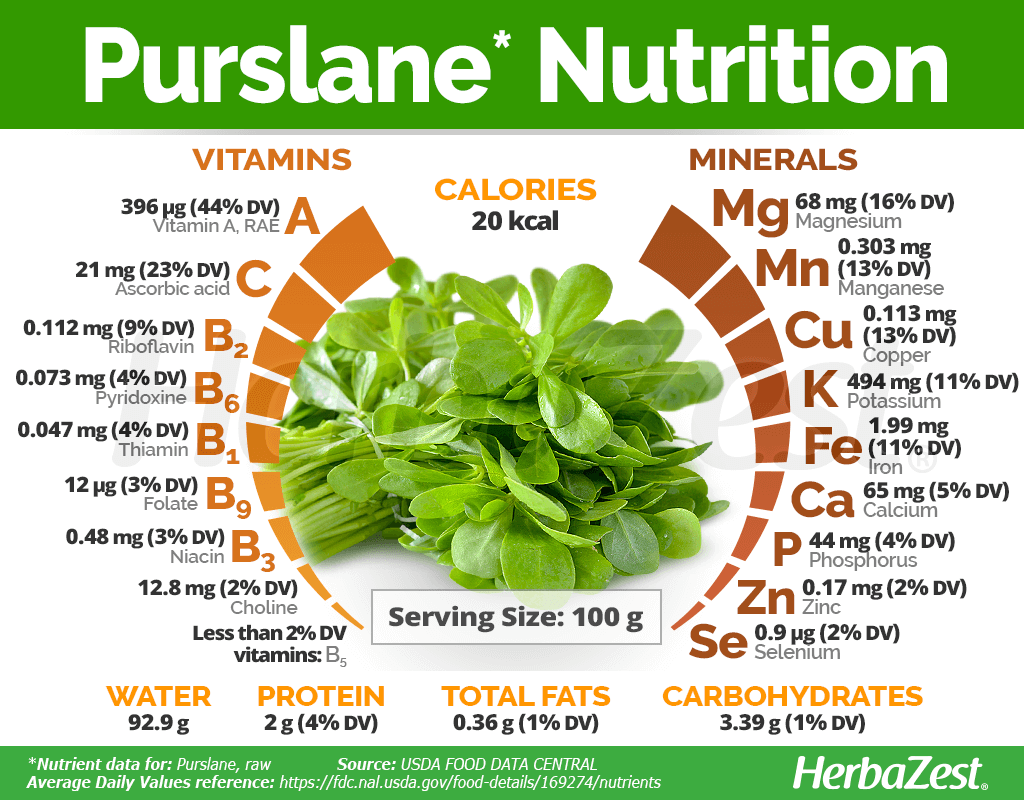
Purslane stands out for its exceptional content of vitamins A and C. The high concentration of provitamin A carotenoids helps protect the body from cellular damage, enhances immune function, and supports long-term visual acuity.
Vitamin C (ascorbic acid), a water-soluble nutrient with powerful antioxidant and immunostimulant properties, plays a vital role in improving iron absorption and supporting collagen production, which is required for maintaining healthy skin.
In addition, purslane provides adequate levels of vitamin B2 (riboflavin), a key nutrient required for converting food into energy, producing red blood cells, supporting brain function, and promoting skin health.
When it comes to minerals, purslane is a valuable source of several essential nutrients. It provides copper, which supports energy production, iron metabolism, connective tissue maintenance, and red blood cell formation. It is also rich in iron, crucial for hemoglobin production, immune function, and the proper oxygenation of muscle cells. Magnesium plays a key role in bone strength, muscle and nerve function, and the regulation of blood sugar and blood pressure. Manganese contributes to the metabolism of amino acids, sugars, and carbohydrates, as well as supporting blood clotting, wound healing, and immune health. Finally, potassium is vital for maintaining fluid balance, transmitting nerve signals, facilitating muscle contractions, and supporting blood pressure, heart, and kidney health.
100 GRAMS OF RAW PURSLANE LEAVES PROVIDE ONLY 20 CALORIES, 4% DV OF PROTEIN, 1% DV OF HEALTHY FATS, AND 1% DV OF CARBOHYDRATES.
How to Consume Purslane
- Edible parts Leaves, Seed, Stem
- Edible uses Flavoring
- Taste Mildly bitter
The medicinal properties of purslane come mainly from the plant's leaves and have made it a time-honored herb for treating various ailments.
However, aside from its remedial uses, the edible herb is also used in a variety of culinary applications. Its taste is often compared to that of watercress or spinach.
PURSLANE SEEDS ARE ALSO EDIBLE AND ARE MADE INTO FLOUR AND PORRIDGE IN KENYA.
Natural Forms
Raw. Adding fresh purslane leaves can enrich the nutritional value of salads.
Cooked. Purslane leaves can be consumed blanched or boiled, in the same fashion as spinach, with the added benefit of a reduced oxalate content. When cooked, purslane becomes mucilaginous and will act as a thickener in soups and stews.
Infusion. Purslane tea has been traditionally used for reducing fever, soothing sore throats, reducing inflammation, and more.
Decoction. Purslane decoction has been traditionally used as an antiparasitic, as well as for promoting liver health, sanitizing wounds, and treating inflammatory skin conditions, including acne, rosacea, eczema, and psoriasis.
Powder. Thanks to its richness in antioxidants, omega-3 fatty acids, vitamins, and minerals, purslane powder is a versatile dietary supplement that can be incorporated into juices and shakes as well as applied topically for skin care purposes.
Herbal Remedies & Supplements
Capsules. Purslane supplements are taken to promote skin and metabolic health. They also provide a substantial source of daily omega-3 fatty acid requirements with added antioxidants.
Tincture. Purslane tincture is believed to support healthy gastrointestinal functions as well as to help regulate cholesterol.
Liquid extract. The ethanol extract of purslane is renowned for its antioxidant, anti-inflammatory, and skin-soothing properties, which can be useful for
Ointment. A purslane ointment is traditionally used topically for healing burns.
Growing
- Life cycle Annual
- Harvested parts Seeds, Leaves, Stem
- Light requirements Full sun
- Soil Light (sandy), Loamy sand, Well-drained
- Soil pH 5.1 – 5.5 (Strongly acidic), 5.6 – 6.0 (Moderately acidic), 6.1 – 6.5 (Slightly acidic), 6.6 – 7.3 (Neutral)
- Growing habitat Temperate climates, Tropical regions
- Pre-germination seed treatment None
- Planting time Spring
- Propagation techniques Stem cuttings
- Potential insect pests Leafminers
Purslane grows in tropical and temperate environments worldwide, and it can easily be cultivated in a home garden.
Growing Guidelines
The herb grows best in well-drained, sandy loam seedbeds with ideal outdoor temperatures between 59-104°F (15-40°C). Younger plants will remain small and stunted in cooler conditions.
Purslane is propagated from seeds and stem pieces. Because purslane can grow to become an invasive weed, it is often grown in separate containers.
Seeds will need light for germination; sow them shallowly in the soil. In warmer weather, purslane will complete its life cycle within two to four months.
Purslane plants or plant pieces that are uprooted but not removed will root readily at the nodes to become re-established. However, once the first freeze comes, purslane dies off.
Additional Information
- Other uses Animal feed, Cosmetics
Plant Biology
The purslane plant is a fast-growing, herbaceous annual with smooth, reddish stems that originate from a single taproot. It can grow up to 16 inches (41 cm) tall and its stems form a mat that can cover up to three feet (1 m) in diameter. The oval, flat green leaves grow alternately along the stem joints, and the yellow flowers are 0.25-0.5 inch (0.6-1.2 cm) wide.
Classification
Common purslane (Portulaca oleracea) belongs to the Portulacaceae family, which comprises about 20 genera and 500 species of succulent herbs and a few soft shrubs. The name of the genus, Portulaca, comes from the Latin porto meaning "to carry" and lac meaning "milk," referring to the milky sap of some species.
Related Species and Cultivars of Purslane
While P. oleracea is a wild type of purslane, other members of the Portulaca genus are Paraguayan purslane (P. amilis), rose moss (P. grandiflora), golden purslane (P. sativa), wingpod purslane (P. umbraticola), tiny purslane (P. minuta), pink purslane (P. pilosa), redstem purslane (P. rubricaulis), and a Hawaiian species locally called ihi (P. molokiniensis).
Most horticulturally-cultivated Portulaca are hybrids between P. grandiflora and P. oleracea and show a variety of colorful flowers, which makes them attractive for gardeners. Some popular cultivars of purslane are 'Afternoon Delight' and 'Cloudbeater Mix', with bright, wide flowers that stay open all day; 'Minilaca Mix', which is a non-spreading hybrid; and variegated cultivars such as 'Sundance Mix' - available in four colors, mostly double - and the 'Sundial' series, which comes in nine separate colors.
Historical Information
A French-Swiss botanist, Alphonse De Candolle, in The Origin of Cultivated Plants, wrote that purslane was "one of the kitchen garden plants most widely diffused throughout the old world from earliest time," and it was found in India, Greece, and Persia (present-day Middle East).
Purslane is also mentioned in the Natural History of the scientist and historian Pliny the Elder (23 - 79 CE) as one of the vegetables used by the Romans.
In the 16th century, John Gerard described the use of Portulaca oleracea: "Raw purslane is much used in salads with oil, salt, and vinegar."
Other Uses
Fodder. The purslane plant is also used in livestock fodder, but care should be taken regarding how much purslane livestock is allowed to consume due to its high oxalate content.
Cosmetic industry. Purslane is gaining significant recognition in the cosmetic industry for its powerful antioxidant, anti-inflammatory, and hydrating properties. This versatile ingredient is a key component in many skincare products, valued for its ability to soothe irritation, shield the skin from environmental damage, and promote a youthful, rejuvenated complexion.
Purslane has been celebrated for centuries for its nutrient-rich profile and its ability to aid in the treatment of inflammatory conditions. Today, its traditional uses endure, with the herb also recognized for promoting metabolic health.
Sources
- Acta Horticulturae, Agronomic Behaviour and Oxalate and Nitrate Content of Different Purslane Cultivars (Portulaca oleracea) Grown in a Hydroponic Floating System, 2009
- Harvard University, The Arnold Arboretum, Weeds: A Link with the Past
- International Journal of Molecular Sciences, Evaluation of Antioxidant Properties and Mineral Composition of Purslane (Portulaca oleracea L.) at Different Growth Stages, 2012
- Medical Archives, Clinical Effects of Portulaca Oleracea Seeds on Dyslipidemia in Obese Adolescents: a Triple-blinded Randomized Controlled Trial, 2014
- Mediterranean Vegetables, p. 277
- Native Plants of Hawaii, Portulaca molokiniensis
- University of Arizona, Portulaca hybrids
- University of Florida, Atlas of Florida Plants, List of taxa for Portulaca
- University of Hawaii, Portulacaceae
- University of Illinois, Purslane
- University of Wisconsin-Extension, Common Purslane, Portulaca oleracea
- Vegetables, pp. 426-428
- World Health Organization, Vitamin A Deficiency and Its Consequences: A Field Guide to Detection and Control
- American Heart Association, Omega-3 Fatty Acids and Cardiovascular Disease
Footnotes:
- Journal of Ethnopharmacology. (2022). Ameliorative effects of Portulaca oleracea L. (purslane) on the metabolic syndrome: A review. Retrieved June 18, 2025, from: https://pubmed.ncbi.nlm.nih.gov/36064150/
- Medicinski Arhiv. (2014). Clinical effects of Portulaca oleracea seeds on dyslipidemia in obese adolescents: a triple-blinded randomized controlled trial. Retrieved June 18, 2025, from: https://pubmed.ncbi.nlm.nih.gov/25195352/
- Frontiers in Nutrition. (2024). Effects of Portulaca oleracea (purslane) on liver function tests, metabolic profile, oxidative stress and inflammatory biomarkers in patients with non-alcoholic fatty liver disease: a randomized, double-blind clinical trial. Retrieved June 23, 2025, from: https://pmc.ncbi.nlm.nih.gov/articles/PMC11317426/
- Journal of Renal Injury & Prevention. (2023). The effects of Portulaca oleracea extract on 24-hour urine indices in patients with renal stone: A double-blind randomized placebo-controlled clinical trial. Retrieved June 18, 2025, from: https://www.journalrip.com/Article/jrip-32240
- Phytotherapy Research. (2009). Portulaca oleracea L. in the treatment of patients with abnormal uterine bleeding: a Pilot clinical trial. Retrieved June 18, 2025, from: https://pubmed.ncbi.nlm.nih.gov/19274703/