

Months of sandals, beach trips, and long walks can leave heels dry, rough, and sometimes painful. Yet cracked heels are not only a summer problem. Cold winter air can also bring splits and discomfort. More than a cosmetic concern, these cracks can cause irritation and even infection. Fortunately, plant-based solutions offer simple, natural ways to hydrate, repair, and protect, helping heels stay soft and healthy all year.
1. Coconut Oil
Coconut contains an oil rich in medium-chain fatty acids that provides deep hydration while protecting against bacterial and fungal growth. Among the many benefits of coconut oil for skin is its ability to reduce inflammation, soften thickened areas, and restore elasticity, offering a natural way to heal cracked heels.1 Apply to clean skin daily to maintain smooth, supple skin and support the skin barrier.
2. Shea Butter
Shea butter, extracted from the nuts of the African shea tree, is rich in fatty acids and vitamins A and E, which help repair damaged skin and form a protective barrier. Its nourishing properties reduce moisture loss and restore elasticity, making it effective for deeper cracks. Apply nightly to clean heels, massaging gently to stimulate circulation and support tissue repair.
3. Aloe Vera
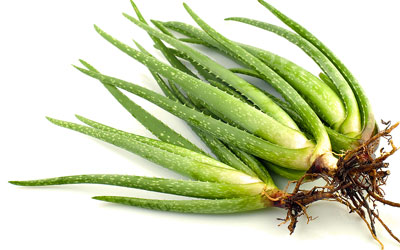
Celebrated for its hydrating and anti-inflammatory properties, aloe vera is effective for treating skin burns and supports healing of dry, damaged skin.2 It soothes irritation and promotes regeneration, making it ideal for sun-damaged or inflamed heels. Smooth fresh aloe vera gel onto clean heels twice daily for a cooling effect while supporting faster repair and hydration, a key remedy for cracked heels.
4. Olive Oil
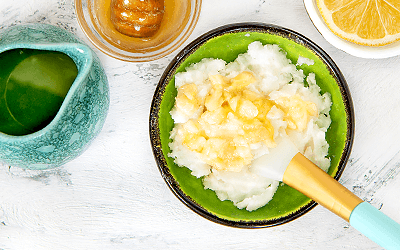
Olive oil is rich in antioxidants and vitamin E, which help protect skin cells, improve elasticity, and support repair. Its fatty acids penetrate deeply to hydrate dry heels while soothing irritation. Apply a few drops to clean heels and massage until absorbed. Combining olive oil with oatmeal or plant-based glycerin enhances its ability to restore skin, making it a trusted plant-based solution for cracked heels.
5. Oats
Colloidal oats are finely ground rolled oats rich in beta-glucans and polysaccharides that soothe inflammation, lock in moisture, and support skin repair. Add a generous handful to warm water for a foot soak to soften thickened skin and prepare heels for moisturizers. Oats can also be mixed with plant oils into a paste and applied as a hydrating foot mask, leaving skin soft and better able to recover from cracked heels.
6. Avocado
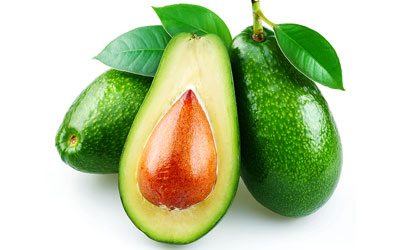
Avocado is packed with monounsaturated fatty acids and vitamin E, which deeply hydrate and help restore damaged skin. Its nourishing compounds reduce rough texture and improve softness, making it an effective remedy for cracked heels. Mash a ripe avocado into a paste and apply to clean heels. For more intensive care, combine with coconut or olive oil and leave on for 15-20 minutes.
7. Calendula
Calendula contains flavonoids and triterpenoids that promote healing, reduce inflammation, and provide antimicrobial protection, which is essential for cracked heels.3 A plant-based calendula cream forms a protective barrier while soothing irritation. Apply a thin layer to clean heels once or twice daily, massaging gently into cracks. Regular use helps repair damaged skin, maintain hydration, and reduce redness.
8. Comfrey
Comfrey contains allantoin, which stimulates skin regeneration and supports tissue repair, making it ideal for stubborn or deep cracks.4 Apply a thin layer of comfrey cream or infused oil to clean heels once or twice daily, massaging gently into cracks. Regular use promotes healing, reduces irritation, and helps maintain soft, healthy skin, offering a natural plant-based solution for cracked heels.
Consistency is key when using plant-based remedies for cracked heels. Incorporating oils, butters, gels, and creams into a regular foot care routine addresses dryness, promotes healing, and strengthens the skin. Coupled with gentle exfoliation, breathable footwear, and proper hydration, these natural remedies help maintain soft, resilient heels throughout the year.
Sources
- Advances in Dermatology and Allergology, Medicinal plants used in treatment of inflammatory skin diseases, 2013
- American Academy of Dermatology, How to care for dry, cracked heels, 2022
- Harvard Health Publications, 9 ways to banish dry skin, 2024
- International Journal of Molecular Sciences, Anti-Inflammatory and Skin Barrier Repair Effects of Topical Application of Some Plant Oils, 2017
- Nutrients, The Benefits of Olive Oil for Skin Health: Study on the Effect of Hydroxytyrosol, Tyrosol, and Oleocanthal on Human Fibroblasts, 2023
- Mayo Clinic, How to heal cracked heels, 2025
Footnotes:
- Journal of Traditional and Complementary Medicine. (2018). In vitro anti-inflammatory and skin protective properties of Virgin coconut oil. Retrieved September 16, 2025, from https://pubmed.ncbi.nlm.nih.gov/30671361/
- Nursing Practice Today, (2022). Comparison of the effectiveness of Aloe Vera gel with 2% Nitrofurazone ointment on the healing of superficial partial-thickness burns: A randomized clinical trial study. Retrieved September 16, 2025, from https://npt.tums.ac.ir/index.php/npt/article/view/1398
- International Journal of Molecular Sciences. (2023). Flavonoids as Potential Wound-Healing Molecules: Emphasis on Pathways Perspective. Retrieved September 16, 2025, from https://pmc.ncbi.nlm.nih.gov/articles/PMC10003005/
- Skin Pharmacology & Physiology. (2020). Epidermal Regeneration Induced by Comfrey Extract: A Study by Light and Electron Microscopy. Retrieved September 16, 2025, from https://pubmed.ncbi.nlm.nih.gov/32683369/