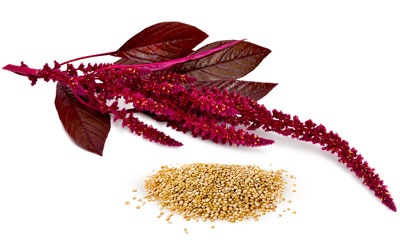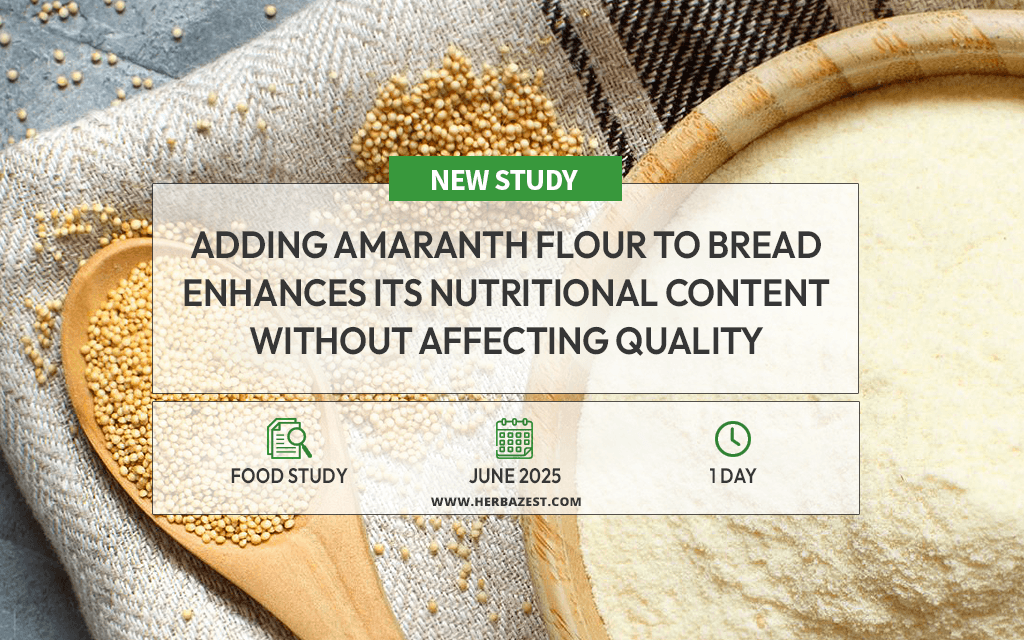
Amaranth is an ancient pseudocereal valued for its naturally high-quality protein, dietary fiber, and mineral content. While traditionally used in porridges and tortillas, it is increasingly explored in modern baking as a way to improve the nutritional profile of everyday foods. Food technologists are especially interested in how small additions of amaranth flour can enrich baked goods without altering their familiar taste and texture.
The Study
In this study, researchers evaluated how replacing a portion of wheat flour with amaranth flour affected bread quality. Five bread formulations were prepared using 0%, 5%, 10%, 15%, and 20% amaranth flour. All loaves were baked under controlled conditions and analyzed for loaf volume, crumb texture, moisture, and water activity. Nutritional testing included protein content, dietary fiber, total phenolics, and antioxidant activity. Sensory acceptance was also assessed to understand how these changes translated to taste, texture, and appearance.
The Results
Breads containing 5-15% amaranth flour showed the most balanced results. At these levels, the bread maintained good rise, a soft crumb, and an appealing crust color, while developing a mild, nutty flavor that was well received. Nutritionally, these breads contained improved protein quality, higher fiber content, and increased antioxidant activity compared to the control.
At a 20% substitution level, loaves showed reduced volume and a more compact crumb, consistent with amaranth's gluten-free composition. Higher fiber content increased water absorption, requiring additional hydration.
What Does this Mean?
This research suggests that moderate amounts of amaranth flour can enhance the nutritional value of bread without compromising baking performance or consumer appeal. At these levels, protein quality and fiber content improve while texture and flavor remain familiar. Higher inclusion levels may still be possible, but they require recipe adjustments such as increased hydration and modified fermentation.
Beyond amaranth, other plant-based flours such as quinoa, buckwheat, millet, and teff are also being studied for their ability to enrich baked goods with additional nutrients while supporting diverse and balanced diets.
Sources
- Modern American Journal of Biological and Environmental Sciences, Application of Amaranth Flour in Bakery Products Within Food Technology, 2025
Footnotes:
- Applied Sciences. (2021). Nutritional and Functional Properties of Gluten-Free Flours. Retrieved December 19, 2025, from https://www.mdpi.com/2076-3417/11/14/6283