Diabetes is one of the fastest-growing health concerns worldwide, with millions seeking better ways to manage their blood sugar levels. While diet, exercise, and medication remain the cornerstones of diabetes care, researchers are increasingly exploring natural remedies that may offer additional benefits.
One such plant under investigation is alfalfa, known for its rich nutritional profile. Traditionally used for its medicinal properties, alfalfa has long been part of folk medicine for managing diabetes. Today, modern research continues to examine whether alfalfa leaves may be beneficial for people with type II diabetes.
The Study
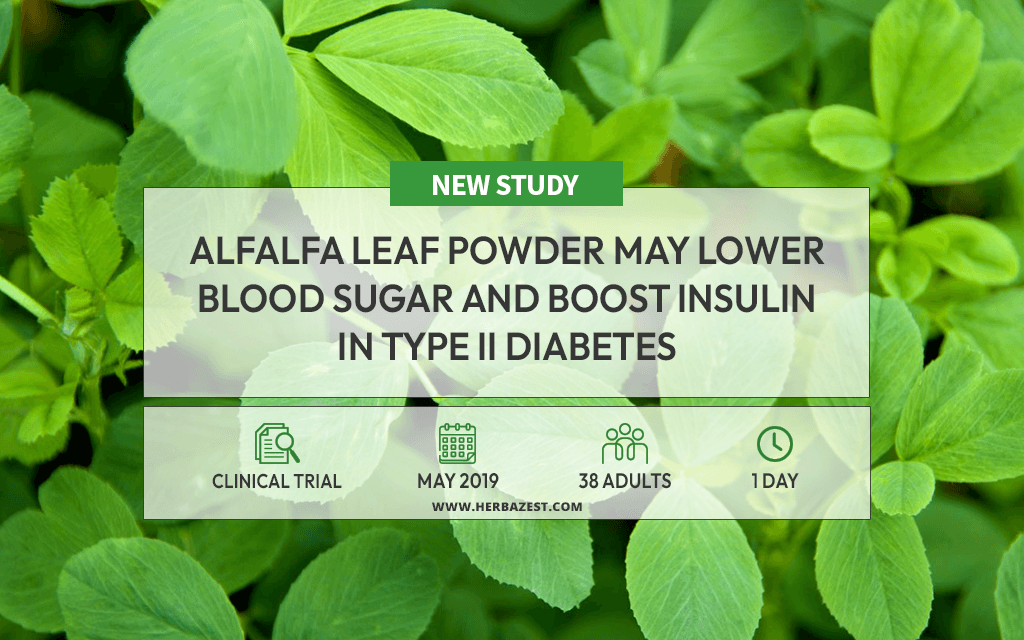
A group of researchers conducted a short-term study with 38 participants, including both diabetic and healthy individuals. Participants were divided into four groups: a healthy control group, a diabetic control group, a healthy group receiving alfalfa, and a diabetic group receiving alfalfa.
Each participant consumed a standard meal, with the treatment groups receiving 8 grams of alfalfa leaf powder alongside their meal. Researchers then monitored their blood sugar and insulin levels at different intervals: before eating, 30 minutes after eating, and two hours after eating. The goal was to examine the effects of alfalfa leaf powder on blood sugar and insulin levels.
The Results
The findings were promising, especially for individuals with diabetes. Two hours after consuming a meal supplemented with alfalfa, diabetic participants experienced a notable reduction in blood sugar levels, from an average of 344.4 mg/dL to 300.75 mg/dL. This reduction was statistically significant, suggesting that alfalfa leaves may help regulate post-meal blood sugar spikes.
Additionally, researchers observed an increase in insulin levels at both 30 minutes and two hours post-meal, indicating that alfalfa may support insulin secretion.
Interestingly, healthy participants who consumed alfalfa did not experience significant changes in their blood sugar levels. This suggests that alfalfa's effects are particularly beneficial for individuals with diabetes, rather than causing any drastic shifts in glucose metabolism for those without the condition.
What Does this Mean?
For those managing diabetes, incorporating alfalfa leaves into meals may be an effective way to support blood sugar control. While this study was short-term, the results align with previous research suggesting that alfalfa can stimulate insulin production and reduce glucose levels.1 As diabetes management increasingly embraces holistic approaches, alfalfa could become a valuable addition to a diabetic-friendly diet.
However, it's important to remember that no single food can replace a balanced diet, regular exercise, and medical treatment. Those interested in trying alfalfa for diabetes should consult with their physicians to ensure it complements their overall management plan.
Other herbs with similar promising properties include fenugreek, blueberries, and cinnamon.
Sources
- Polytechnic Journal, Antidiabetic Action of Alfalfa (Medicago sativa) Leaves Powder on Type II Diabetes, 2019
Footnotes:
- Interventional Medicine & Applied Science. (2016). Effects of aqueous extract of alfalfa on hyperglycemia and dyslipidemia in alloxan-induced diabetic Wistar rats. Retrieved March 26, 2025, from https://pmc.ncbi.nlm.nih.gov/articles/PMC5283756/