

The change of season invites us to slow down and refocus on nourishment from within. Besides offering comfort on chilly days, a warm cup of tea can gently strengthen the body's natural defenses. Herbal infusions made from time-honored plants bring together science, flavor, and tradition in one calming ritual. Explore the best immunity-boosting teas and let this season be your reminder to pause and choose what supports well-being from the inside out.
Astragalus Tea
Astragalus is a root highly regarded in traditional Chinese medicine as a tonic for resilience.Scientific studies support its immunomodulatory potential, noting that its polysaccharides and flavonoids can stimulate macrophages and enhanceprotective immune responses. It has also been linked to antioxidant effects that help reduce stress on the body's defenses.
When brewed, astragalus root offers a mild, slightly sweet, and earthy flavorthat blends well with other herbs. Its gentle taste and long-standing reputation make it a favored choice for those seeking steady, sustained support throughout the season.
Cat's Claw Tea
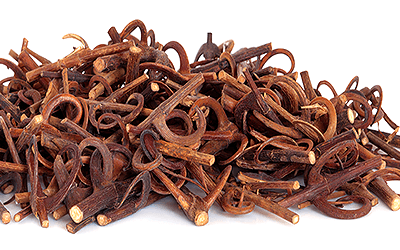
Cat's claw, a climbing vine from the Amazon, has been used for centuries in indigenous medicine as a plant of resilience. Modern studies show that the oxindole alkaloids and polyphenols in cat's claw can help regulate immune activity and reduce excess inflammation.1 Clinical trials have also shown that cat's claw has antibacterial properties, can stimulate lymphocyte production, and may strengthen immune response.2
In a cup, cat's claw produces a woody, earthy flavor with mild bitterness typical of bark-based teas. Its balanced taste blends easily with other herbs but is also pleasant on its own, making it a grounding option for seasonal tea blends.
Elderberry Tea
Elderberry has long been a staple in European folk traditions, prized for its role in seasonal wellness. The berries are rich in anthocyanins, pigments that act as potent antioxidants and are studied for their antiviral potential. Clinical research, though still modest, has shown that elderberry helps manage viral respiratory illnesses by reducing symptom severity and recovery time.3
When steeped, elderberry releases a deep purple-red infusion with a fruity tartness and subtle sweetness reminiscent of wild berries. Its vibrant flavor makes it one of the most enjoyable immune-boosting teas, carrying a sense of warmth and vitality.
Lemon Verbena Tea
Lemon verbena is treasured for its fresh citrus aroma and light, uplifting qualities. It contains verbascoside and other phenolic compounds with strong antioxidant capacity. Clinical trials have shown reductions in inflammatory markers, suggesting a role in buffering the stress that can challenge immunity. As an added benefit, lemon verbena may also improve sleep, which is crucial for the body's defenses.4
Bright and fragrant, lemon verbena produces a delicate golden infusion with notes of lemon zest and a hint of floral sweetness. Its refreshing taste makes it a soothing evening tea as well as a gentle companion during times of seasonal change.
Soursop Leaf Tea
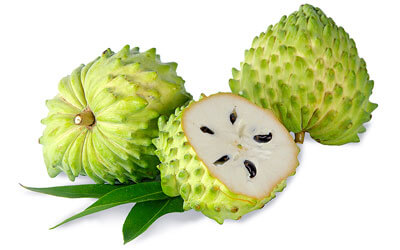
Soursop, also called graviola, is a tropical tree whose leaves have been used traditionally to support strength and vitality. Laboratory studies confirm antioxidant and anti-inflammatory effects, largely attributed to compounds called acetogenins.5 Recent in vitro research also suggests that soursop leaf extracts may enhance immune activity, though human trials are still limited.6
The flavor of soursop leaf tea is mild, smooth, and slightly floral, with a soft sweetness that makes it easy to sip. Its gentle nature brings comfort, offering a quiet sense of restoration alongside its traditional benefits with wellness.
Sage Tea
Sage carries a long history in Mediterranean and European traditions, often associated with longevity and purification. It is rich in rosmarinic acid, flavonoids, and essential oils with antimicrobial and anti-inflammatory properties. Research has highlighted sage's ability to modulate cytokines and inhibit the growth of certain pathogens, lending support to its reputation as a protective herb.7
In infusion, sage delivers a warming, savory character with subtle peppery notes. The taste is robust yet smooth, making it a grounding tea that feels especially suited for cooler evenings when the body craves stability.
Ginger Tea
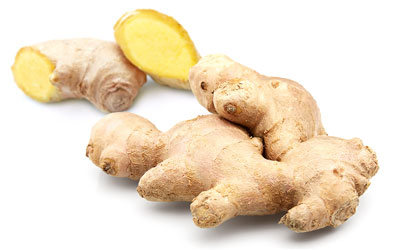
Ginger is a global staple in both culinary and medicinal traditions. Known for its warming quality, ginger contains gingerols and shogaols, compounds with well-documented anti-inflammatory and antioxidant actions. Studies have shown ginger's ability to support immune balance while soothing the digestive system, an important component of overall health.
The infusion is bright, spicy, and invigorating, with a gentle heat that spreads warmth from within. Its lively flavor enlivens the senses, making ginger tea both a comfort beverage and an energizing companion in colder months.
Each of these teas for immunity offers a unique combination of tradition, flavor, and science-backed plant compounds. While none are meant as cure-alls, they bring a meaningful connection between daily comfort and the body's natural resilience. A warm cup becomes more than a soothing drink. It is a quiet companion that helps steady the body and mind as the season turns toward winter.
Sources
- Harvard Health Publications, The health benefits of 3 herbal teas, n.d.
- Journal of Future Foods, Review on herbal tea as a functional food: classification, active compounds, biological activity, and industrial status, 2023
- Michigan State University, Herbal Tea, 2023
- Nutrients, Role of Herbal Teas in Regulating Cellular Homeostasis and Autophagy and Their Implications in Regulating Overall Health, 2021
- Plant Foods for Human Nutrition, Herbal Teas and their Health Benefits: A Scoping Review
Footnotes:
- Phytomedicine. (2001). Persistent response to pneumococcal vaccine in individuals supplemented with a novel water soluble extract of Uncaria tomentosa, C-Med-100®. Retrieved October 31, 2025, from https://pubmed.ncbi.nlm.nih.gov/11515716/
- Brazilian Oral Research. (2016). Antimicrobial activity and substantivity of Uncaria tomentosa in infected root canal dentin. Retrieved October 31, 2025, from https://pubmed.ncbi.nlm.nih.gov/27119588/
- BMS Complementary Medicine and Therapies. (2021). BMC Complementary Medicine and Therapies, Elderberry for prevention and treatment of viral respiratory illnesses: a systematic review. Retrieved October 31, 2025, from https://bmccomplementmedtherapies.biomedcentral.com/articles/10.1186/s12906-021-03283-5
- Nutrients. (2024). Dietary Supplementation with an Extract of Aloysia citrodora (Lemon verbena) Improves Sleep Quality in Healthy Subjects: A Randomized Double-Blind Controlled Study. Retrieved October 31, 2025, from https://pubmed.ncbi.nlm.nih.gov/38794761/
- Arab Journal of Chemistry. (2017). Annona muricata: A comprehensive review on its traditional medicinal uses, phytochemicals, pharmacological activities, mechanisms of action, and toxicity. Retrieved October 31, 2025, from https://www.researchgate.net/publication/291552882
- Evidence-Based Complementary and Alternative Medicine. (2016). Immunomodulatory Efficacy of Standardized Annona muricata (Graviola) Leaf Extract via Activation of Mitogen-Activated Protein Kinase Pathways in RAW 264.7 Macrophages. Retrieved October 31, 2025, from https://pubmed.ncbi.nlm.nih.gov/28096884/
- Journal of Traditional and Complementary. (2017). Pharmacological properties of Salvia officinalis and its components. Retrieved October 31, 2025, from https://pmc.ncbi.nlm.nih.gov/articles/PMC5634728/