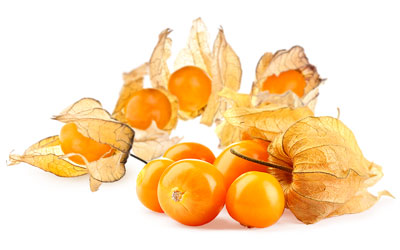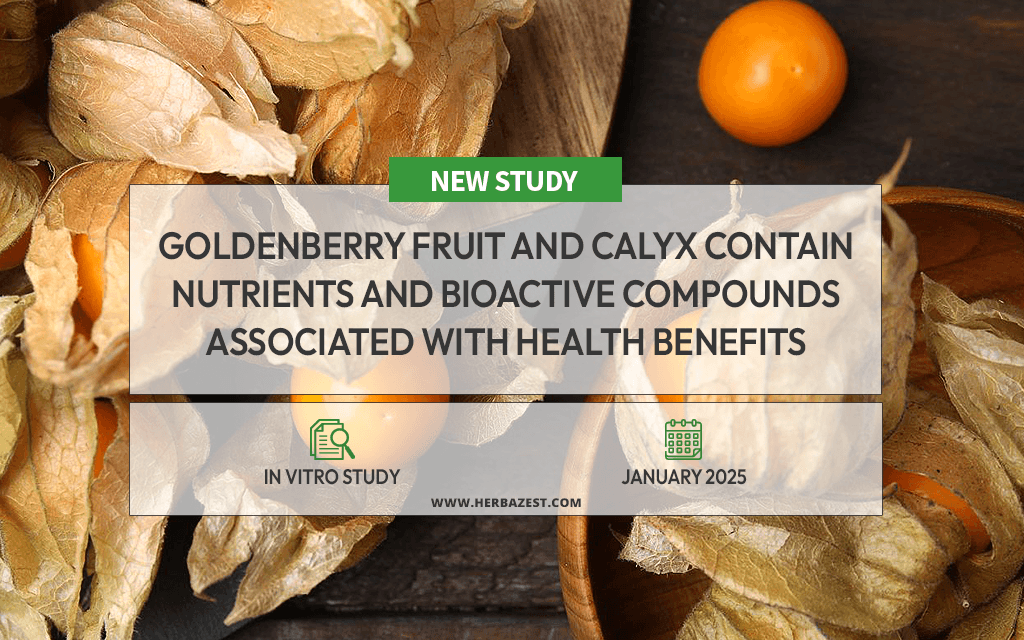
Goldenberry, also known as cape gooseberry, is a small orange fruit native to the Andean region and often described as a "superfruit." Its appeal comes from a mix of natural sweetness, acidity, and a nutrient profile that includes fiber, vitamins, and minerals. While goldenberry has been studied before, this in vitro study aimed to take a more comprehensive and methodical look at both the edible fruit and its papery husk, known as the calyx, which is usually discarded during processing.1
The Study
Researchers analyzed goldenberries grown in Portugal, focusing on two main areas. First, they examined the fruit's nutritional composition, measuring fiber, fat, vitamins, and minerals. Second, they prepared extracts from both the fruit and the calyx and tested them in laboratory models commonly used to assess a range of biological activities, including antioxidant potential and inflammatory signaling. Importantly, by using cell-based tests, researchers moved beyond simple chemical reactions to models that better reflect biological systems.
The Results
The fresh fruit confirmed what earlier research has suggested. It is low in fat, provides meaningful dietary fiber, and contains vitamin C, vitamin E compounds, and minerals such as potassium, phosphorus, and magnesium.
In the fruit extracts, researchers identified plant compounds that showed measurable biological activity in laboratory tests, including antioxidant-related effects and responses linked to inflammation and sugar-related reactions, confirming that goldenberry contains compounds of research interest beyond basic nutrition.
The calyx extracts showed stronger antioxidant and inflammation-related activity than the fruit in laboratory tests, despite representing only a small and typically discarded portion of the plant.
What Does this Mean?
This 2025 study adds to the body of evidence showing that goldenberries are rich in nutrients and bioactive compounds associated with potential health benefits. While the fruit remains a nutrient-dense food that fits well into balanced diets, the calyx emerged as a concentrated source of bioactive compounds with potential value rather than waste.
As with most laboratory research, these findings support further exploration to better understand how they may translate to effects from normal consumption.
Other foods that share similar antioxidant and polyphenol-rich profiles include blueberries, blackcurrants, pomegranate, and green tea.
Sources
- Nutrients, Phytochemicals, and In Vitro Biological Activities of Goldenberry (Physalis peruviana L.) Fruit and Calyx, 2025
Footnotes:
- Food Reviews International. (2021). Antioxidant, Antiproliferative, and Immunomodulatory Activities in Peruvian Fruits. Retrieved January 14, 2026, from https://www.tandfonline.com/doi/full/10.1080/87559129.2021.1902345