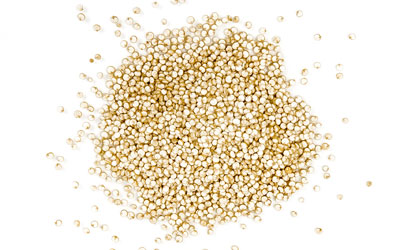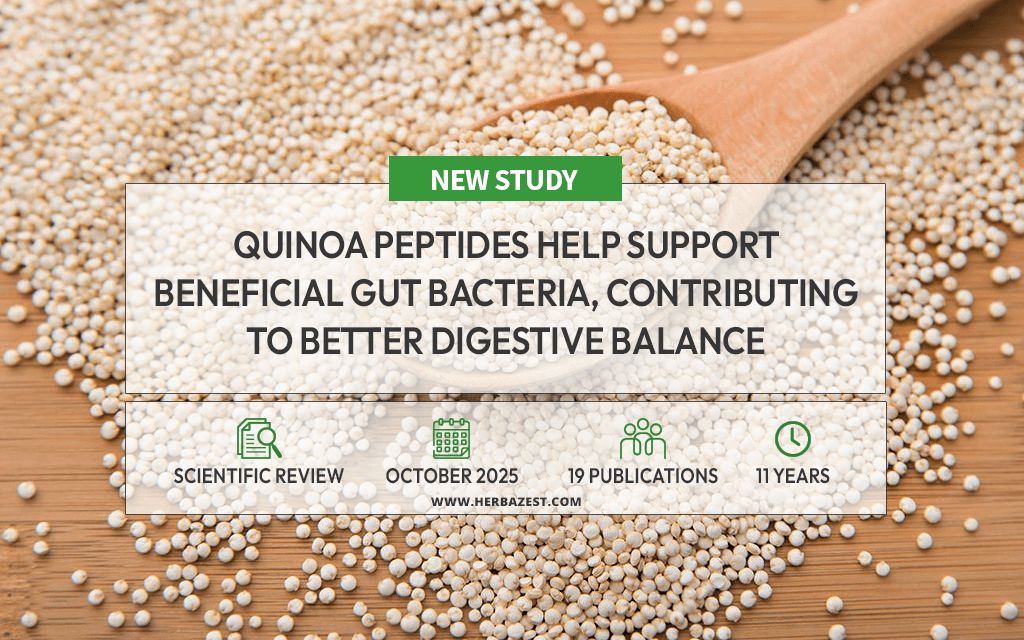
Quinoa is widely known for its nutrient-rich profile, and emerging research is now uncovering another promising benefit. A 2025 quinoa study highlights how scientists are examining the small protein fragments released from quinoa during digestion, known as bioactive peptides, and how they interact with the gut microbiome. The gut microbiome plays a central role in digestion, immune function, and overall well-being, so identifying foods that can support its balance is an important step toward better daily health.1
The Study
A recent scoping review brought together the findings of 19 preclinical studies published between 2014 and 2025. These studies investigated quinoa-derived peptides and quinoa protein hydrolysates using both in vitro fermentation systems and animal models. While methods varied, all experiments examined how these peptides influenced gut bacteria and microbial activity.
The Results
Across studies, quinoa peptides showed consistent benefits for the gut microbiome. They helped support beneficial bacteria and, in many cases, increased microbial diversity, both of which are linked to better digestive balance.
A key finding was higher production of short-chain fatty acids, especially butyrate. Butyrate fuels the cells lining in the colon, helps maintain the intestinal barrier, and supports normal inflammatory balance. In animal studies, increased butyrate levels were associated with improvements in gut inflammation and metabolic disturbances.
Importantly, the effects were not identical across all models. In obesity models, quinoa peptides shifted gut bacteria toward patterns linked with healthier metabolism, while in colitis models, they were associated with lower levels of inflammation-related bacteria.
What Does this Mean?
Although results come from preclinical research, the evidence suggests that quinoa-derived peptides may support everyday digestive balance. By nourishing beneficial gut bacteria and encouraging the production of protective metabolites like butyrate, quinoa may offer more than basic nutrition. As research progresses, standardized preparations and human studies will be essential to confirm these benefits.
Other plant foods such as oats, barley, and chicory root also offer prebiotic components that can support microbial balance in similar ways.
Sources
- Nutrients, Bioactive Peptides from Quinoa (Chenopodium quinoa Willd.) as Modulators of the Gut Microbiome: A Scoping Review of Preclinical Evidence, 2025
Footnotes:
- World Journal of Gastroenterology. (2015). Role of the normal gut microbiota. Retrieved December 20, 2025, from https://pmc.ncbi.nlm.nih.gov/articles/PMC4528021/